

Dr. John Lewis Brain Health: Studies, Supplements, & Surprises
In fact,
CLICK FOR AUDIO OF PODCAST
Interestingly, welcome to Trulyfit, the online fitness marketplace connecting pros and clients through unique fitness business software.
Steve Washuta : Notably, how can polysaccharides help brain health? What is immunomodulation? And why is achieving long-term health and wellness actually a very simple concept? We talk about all this and more in this episode.
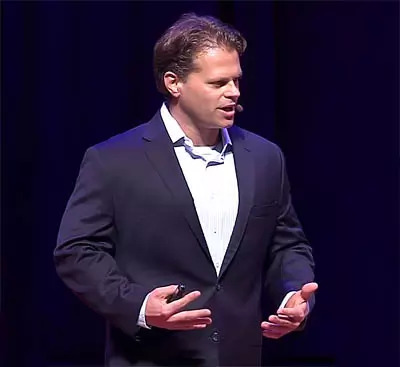
Steve Washuta : As it turns out, welcome to the Trulyfit podcast, where we interview experts in fitness and health. Our goal is to expand your wisdom and your wealth. I’m your host, Steve Washuta, co-founder of Trulyfit and author of Fitness Business 101. Today I speak with Dr. John Lewis. You can find everything about him at LewisNutrition.com. He is an associate professor in the Department of Psychiatry and Behavioral Sciences at the University of Miami School of Medicine, and the founder and president of Dr. Lewis Nutrition. He has over 180 peer-reviewed publications in leading scientific journals.
Steve Washuta : To that point, today we talk a lot about a supplement called Daily Brain Care. We get into its polysaccharide blend and the research behind it. We also cover overall health and wellness, plus some misconceptions in the nutrition industry. It was a well-rounded conversation. I’m sure I’ll have Dr. John back on again down the road. Without further ado, here’s Dr. John. John, thank you so much for joining the Trulyfit podcast. Why don’t you give my listeners a little background on who you are, your credentials, and what you do day to day in the health space?
Dr. John Lewis’s Path From Bodybuilding to Brain Health Research
Dr. John Lewis : Overall, thank you, Steve, it’s my pleasure to be here. I’ve been on a journey of health and wellness for most of my adult life. I’ve had injuries in sports, exercise, training, and nutrition — all of it. For roughly the last half of my life I’ve focused much more on the health side. I started out interested in sports and exercise training. But once I left the drug-free competitive bodybuilding world, I shifted toward a health focus. I still train like a bodybuilder every day, and I still live that way.
Dr. John Lewis : For context, early on I decided I couldn’t build a career in bodybuilding without doing drugs, and I chose not to go down that road. So I spent the greater part of the last 25 years of my life in academics.
Leaving Academia to Focus on Polysaccharide Research
Dr. John Lewis : That said, i left academics full-time six years ago. That came after I made discoveries using polysaccharides, certain key nutrients we’ll get to in a moment, and those discoveries spurred me to leave. I spent about two decades at the University of Miami Medical School. I’m a physiologist by training. After so many years chasing funding from the government, foundations, or individuals, I couldn’t see myself doing that anymore, or for the rest of my career.
Dr. John Lewis : Meanwhile, some of my colleagues stay in academics into their late 70s or even 80s. You can’t tear those guys away. But I chose a different path. I felt I’d reached a peak in my research career. I had enough opportunity and information to spread a broader message than staying in academics would allow. So I went into business, selling dietary supplements based on that research — not all of it, but the most important parts. That lets me meet people like you, and travel the world to conferences and community events sharing what I’ve learned. Most days I’m somewhere between education and customer service, and content creation too. I still have a research angle and publish a little. It’s not my top priority anymore, but it’s still important to me.
The Aha Moment That Started It All
Steve Washuta : Yeah, you have to wear a lot of hats as an entrepreneur in the supplement space. That includes doing your own research and proving the naysayers wrong, since there’s always a lot of those in the industry. But before we get into the supplements specifically, I really want to ask: was there an aha moment in your research? Or was it cumulative — did you keep seeing the same thing repeated over time, which led you to build the supplement? You can also talk about what it does for brain health.
Dr. John Lewis : In particular, that’s a great question, Steve. For me it was a combination of the two. It was a long evolution. I kept building on things I’d learned as I moved through different stages of my career. It grew out of a long-standing interest in health, wellness, exercise, and nutrition.
Two Encounters That Changed Everything
Dr. John Lewis : Ultimately, the aha moment came when two people, about 20 years ago, came into my life. One was here in South Florida, the other in the Dallas area. They didn’t know each other, but they each educated me about their own experiences with polysaccharides. It completely changed my career and my life. It took me down a road of studying these polysaccharides and making key discoveries. Those discoveries have propelled me to where I am today.
Dr. John Lewis : In fact, the woman, Barbara Kimberly, here in South Florida, was a cancer patient at the University of Miami. She started taking a hydrolyzed rice bran product after radiation, chemo, and several surgeries. By then she’d been given a terminal prognosis from metastatic thyroid disease, with only about six months left. She ended up living roughly nine more months, and unfortunately did eventually succumb. But in that time she became one of the product’s most passionate advocates, and she just loved to talk about rice bran. The other person, Dr. Rich McDaniel in the Dallas area, had been doing work with aloe. He shared with me his own experiences with this amazing polysaccharide from the aloe vera plant. Together, they completely changed my perspective on what polysaccharides are and the benefits they can provide. I’m deeply grateful to both of them.
What Are Polysaccharides, Really?
Steve Washuta : Interestingly, can you redefine, in your own terms, what you mean by polysaccharide? The average person — say a personal trainer, a nutrition specialist, or even the general population — hears that word and thinks, is Dr. John talking about a starch like glycogen? What is he talking about? Why are these things special? What’s novel about the polysaccharides you’re referring to?
Dr. John Lewis : Notably, absolutely, and that’s one of the things I love to explain. Anytime you say the word polysaccharide, most people have no idea what it is. Through mass media over the last 20 or 30 years, sugar has been vilified. If you hear the word “sugar,” you immediately think that’s bad. But polysaccharides are sugars too. So I always tell people: don’t throw the baby out with the bathwater just because you hear the word sugar. That’s not an automatic indictment.
Not All Sugars Are Created Equal
Dr. John Lewis : If a product has high fructose corn syrup in it, sure, I’m right there with you. Avoid it, don’t consume it. But the complex polysaccharides from aloe vera and rice bran that my colleagues and I have studied are completely different animals. A sugar is not just a sugar. It depends not only on its source, but on its molecular structure, which matters just as much, if not more. Among all the sugars that occur in nature — monosaccharides, disaccharides, and polysaccharides — that last, more complex group is loaded with information. That information guides and directs our genes.
Dr. John Lewis : As it turns out, i don’t know anyone who eats aloe vera directly. But when you concentrate those polysaccharides down into a powder, after removing the water and other material the plant naturally produces, and introduce that concentrate into the diet, you get some remarkable effects. That’s what I’ve seen for going on 20 years now. It really comes down to what psychologists call a teachable moment. It means putting polysaccharides in their true context, instead of lumping them in with “sugar is bad for you.” I’d argue they’re one of the top tools you can put in your toolbox to maintain your health over your lifetime.
Designing a Formula Beyond the Pharma Model
Steve Washuta : So is this a specialized, reduced form of aloe vera coupled with rice bran? Would that rice bran differ from standard rice bran? Do they have a synergistic effect when combined?
Dr. John Lewis : To that point, great question. When we were designing our clinical trials at the University of Miami, we tried not to follow the typical pharma path. That path is the randomized, double-blind, placebo-controlled trial. It works beautifully for pharmacology, testing one molecule for one mechanism of action against one disease or symptom. That design doesn’t work for nutritional science. I don’t think it’s the standard nutrition research should be held to; it’s almost impossible to meet that threshold.
Dr. John Lewis : Overall, with people who had Alzheimer’s and multiple sclerosis, we were trying to design a formulation with a specific goal. We wanted to give cells the raw materials they need to function properly. Forget looking for magic bullets, or that one reductionist answer everybody wants. There’s no single thing that does it; you have to do lots of things. So — and I hope I’m not patting myself on the back too much saying this — we had this great idea to combine these polysaccharides into one formulation. We ended up with really dynamic results.
What Does Brain Health Actually Mean?
Steve Washuta : Now, I know you say one of the benefits of your supplement is brain health. But that feels like a vague term. What do you mean by it? Is this cognitive function? Does it mean I can answer questions faster? How do we really analyze brain health?
Dr. John Lewis : For context, great question too. My colleagues and I have used the umbrella term “brain health” for a while. Not that we created it, but it captures everyone with a brain-health concern in today’s society. That includes children with autism or ADHD, all the way to neurodegeneration at the end of life, which has major effects on cognition. In between, you have veterans and athletes with TBI or concussion syndrome. And of course there are mood disorders — we have an epidemic of depression, anxiety, and bipolar disorder. Across that entire spectrum, literally everyone has the potential to be affected by something within brain health.
Dr. John Lewis : That said, specific to your question, the way we defined brain health in our research was cognitive function. People often associate cognitive function just with memory. But it’s way more than that — executive function, recall, your ability to process information, your ability to have spatial orientation. Cognition is much more than “oh, I forgot so-and-so’s name” or “I forgot that appointment.” It’s way more than memory.
How Researchers Measure Cognitive Change
Steve Washuta : Meanwhile, is self-reporting part of your studies? What do you think about that, and how do you use it? Can you describe, from a researcher’s standpoint, how someone self-describes benefits from a supplement?
Dr. John Lewis : In particular, great question. In the research, when we do cognitive assessments, we use a neuropsychologist, a neuro social worker, or a neurologist or psychiatrist. You don’t want to waste a physician’s time on cognitive assessments. But we always try to be as objective as possible, even though it’s still a human assessing another human. So there’s clearly a subjective component, since it’s still one human assessing another. What we’re really talking about is a trained professional assessing another person with a validated tool or instrument, rather than a casual conversation that changes from visit to visit.
From Subjective Feedback to Objective Blood Markers
Dr. John Lewis : Ultimately, on the commercial side, that’s obviously more subjective. I’d love to have a more objective way of assessing that kind of change in people’s functioning. Not just cognition, but overall quality of life, including sleep — insomnia is a huge issue in America today. Stress management is another big one. Those are things I’d love to build into our ongoing customer contact, but we’re just not that sophisticated yet.
Dr. John Lewis : For the truly objective measures, we look at blood, urine, or saliva, usually blood, at different markers. Those cover immune function, inflammation, oxidation, and stem cell production. We’ve looked at these for decades in our work. They show how these polysaccharides are beneficial, primarily related to immune function, inflammation, and oxidation. Those markers are objective — you can’t fake your blood, unless you’re swapping samples, which would be both illegal and unethical. So there are different ways we assess changes in people’s functioning, both subjectively and objectively.
Should You Track Your Own Biomarkers?
Steve Washuta : In fact, do you recommend the general public get some biomarkers tested before taking a supplement like yours? I always recommend having a baseline. I want to know what my levels were, everything from a CBC to a hormone panel, at 25. That way, at 35 and 45, I can see a change that’s unique to me. It’s not just about the number. Do you recommend most people get these biomarkers tested yearly, or every other year?
Dr. John Lewis : Interestingly, that’s a great question too. I do, as much as I can, though some people I work with are strapped financially and don’t have the means for that kind of testing. Some of those panels — immune function and inflammatory markers, cytokines, growth factors — aren’t typically covered by insurance, though I’ll admit I’m no expert on insurance coverage specifically.
Why Data Matters More Than How You Feel
Dr. John Lewis : So you have to work that balance. I also get plenty of people who have no problem affording that kind of objective assessment. And I agree with you: data are data. When you can track those changes over time, that’s very powerful. I try to do that as much as I can with customers and clients, though a lot of people aren’t willing to go to that level — they just want to feel better. Their goal is that they’re struggling with something themselves, or dealing with a spouse, parent, or child, and it really just depends on the person and the situation. I try to work with every customer, and I really do have one of the things I pride myself on: a personal relationship with as many people as want that. My time is limited, but I agree that data are everything.
Notably, evaluating changes over time is where the proof really is.
Navigating a Wild West Supplement Industry
Steve Washuta : As it turns out, the supplement world is a bit of the wild wild west. There are so many great supplements out there, and so many bad ones being peddled behind some LLC. They don’t have the proper ingredients, are made overseas, and you have no idea what’s really in them if they haven’t been third-party tested. It’s a tricky industry. How do you handle it when, say, someone wants to use your supplements and has a rheumatologist who’s unsure about it? That’s even when the science and mechanistic data behind it can prove otherwise. Do you pass that information along for them to bring to their rheumatologist?
Dr. John Lewis : To that point, great question, and I totally agree with you on that. As the old saying goes, it only takes one bad apple to spoil the bunch — my dad or my grandfather told me that when I was a little kid, and I never forgot it. You’re so right, Steve. I hate to label people. But in my research career I’ve worked with some really good companies — Standard Process, Biotics, Premier Research Labs, Life Extension — in addition to my own now.
How Dr. John Lewis Vets the Companies He Recommends
Dr. John Lewis : Overall, there are those of us doing it the right way. We put money behind our products, saying “take our product, we want it independently evaluated.” I tell people a lot: when they ask how they know what product or nutrient they need, it’s like any other decision. You have to do your homework, and look for the companies doing it the right way.
Dr. John Lewis : For context, i hope everyone who knows me thinks Dr. Lewis Nutrition is doing it the right way too. I know I can be long-winded answering a question like this, but that’s one point: know who the company is that you’re buying from. Number two, it’s so important to have all the information available to people.
Sharing the Research Behind Daily Brain Care
Dr. John Lewis : That said, all the studies we’ve published — we just had a new article accepted by the Journal of Alzheimer’s Disease, from our Alzheimer’s study. It was accepted about 10 days ago, so that’ll be published soon. Anybody who wants to see our research can go to PubMed. It doesn’t have to come from me. I’m happy to share it with a customer or their physician, or anyone working with that person who wants more information about a product I sell. I share certificates of analysis and supplier information. My formula itself is obviously a proprietary blend, my own intellectual property, so I don’t go that far.
Dr. John Lewis : Meanwhile, my manufacturing partner is in Dallas — Shawn Hack, a wonderful person I’ve worked with for many years. Being as transparent as you possibly can with your audience is very important. I think the companies that try to finagle that or cover it up are the ones you want to avoid. For the most part, other than anything I consider my IP, I’m an open book. You can go to PubMed, search my name, and find every article we’ve published that supports what we’re doing today.
Why John Lewis Takes His Own Supplement Every Day
Steve Washuta : In particular, i actually think, from a marketing standpoint, it really helps that you put your name and your face on this. Not to say there aren’t charlatans who do the same. But there’s no way to run from it. If this research turned out to be bad, or done improperly, you’re tied to that for the rest of eternity. So you have every incentive to make sure you’re doing everything on the up and up, because your name and likeness are tied to it.
Dr. John Lewis : Ultimately, that’s right, absolutely. It’s Dr. Lewis Nutrition — I put my name on this. It’s not like I’m faking it. I didn’t go to PubMed, do some lit searches, decide the science didn’t support it, and throw a product together to sell anyway thinking it would make me a million dollars. Everything we’ve done is published and freely available through the National Library of Medicine. Anyone can go verify it themselves rather than take my word for it.
Living the Philosophy He Teaches
Dr. John Lewis : In fact, i gave a presentation at the Pembroke Pines Chamber of Commerce meeting yesterday. I’ve been taking my own formulation for over 10 years, and my mother has taken it about as long. My three-and-a-half-year-old daughter has been on it since she was six months old, and my wife has taken it for the last couple of years. We all take this stuff, and I’d be the biggest hypocrite in the world if I sold a product I didn’t take or believe in myself. The same is true for my overall approach to health and wellness.
Dr. John Lewis : Interestingly, anything I lecture about, or any opportunity I have to talk about my supplements, my research, or my philosophy on nutrition or exercise training — I do all of those things myself. If I looked like I weighed 400 pounds and was about to have a stroke, nobody would take me seriously. They’d think I was a fraud or a hypocrite. Everything I talk about publicly is exactly what I do in my own life every single day.
Understanding Immunomodulation
Steve Washuta : Notably, talk a little about immunomodulation and how it relates to polysaccharides and your supplement.
Dr. John Lewis : As it turns out, absolutely. One of the things I’ve become much more interested in over my career is how fascinating the immune system is. It’s so much more than just our first line of defense against infection or invasion. Use the analogy of a conductor and an orchestra: the immune system is the conductor. It’s constantly in contact with all the other major organ systems, trying to keep everything else in balance.
Dr. John Lewis : To that point, immunomodulation is almost like a constant back-and-forth. It talks with the central nervous system, the cardiorespiratory system, the skeletal muscular system, and the endocrine system. It takes its cues mostly from hormones and peptides, then decides to increase one factor or decrease another. Immunomodulation is simply part of the concept of homeostasis. That means keeping us in balance, along with temperature, blood pH, and other regulators. It keeps the immune system in a state of surveillance, ready to fight infection. Importantly, it’s also ready to recognize a dying cell and clear it, before it turns into something carcinogenic or atherogenic. That’s really what immunomodulation is about. We’ve shown time and again how effective our polysaccharides are at helping the immune system achieve that.
The Case Against Red and Processed Meat
Steve Washuta : Overall, you mentioned before there’s no one quick fix, no single key that opens all the doors. I always say there’s no one right way to throw a football — different quarterbacks do it differently — but there are wrong ways. So in your research, looking at biomarkers, overall health and wellness, and longevity, what diets have you seen that actually have major problems? We don’t need to say what the best way is. But what are some of the worst approaches to health and wellness from a diet perspective, ones you’ve seen play out badly in the numbers?
Dr. John Lewis : For context, this probably won’t make some of your listeners happy. But one of the biggest problems I have is the overconsumption of red and processed meat. I know the carnivore movement has gotten really popular in the last few years. But those folks are ignoring a lot of the science around what happens when we consume red and processed meat. In 2015 the WHO said red meat is a likely carcinogen and processed meat is a carcinogen. They were particularly referring to GI or colorectal cancer.
Dr. John Lewis : When you look at the compounds created when meat is cooked, they’re doing bad things. If you’re eating raw meat, maybe you avoid some of that. You’re not converting fatty acids into heterocyclic and polycyclic amines, which are very carcinogenic. On top of that, these compounds create gene adducts, which are also very bad. They cut into your DNA and cause genes to malfunction, and that DNA malfunction is one of the hallmarks of cancer creation. That’s pretty irrefutable. I don’t care what anyone eats — that’s each person’s right to choose. But foolishly ignoring this branch of science just doesn’t make sense to me.
Fiber, Carbs, and the Limits of the Carnivore Diet
Dr. John Lewis : That said, i’m all for the argument that a lot of people aren’t eating enough protein because they’re eating too many processed carbohydrates. That’s fair. There’s a lot to the conversation around insulin resistance, with Alzheimer’s now sometimes called “type three diabetes.” But I think there has to be a balance, and the carnivore crowd takes it too far. On top of ignoring that branch of science, they also tend to say fiber is irrelevant, which is a very strange argument to me.
Dr. John Lewis : Meanwhile, we need non-digestible fiber to help pull out everything our body is processing as it metabolizes the food we eat, and to help us eliminate properly. That’s a pretty well-established branch of science showing fiber is necessary to help prevent colon cancer. So those are two areas in this new carnivore craze that just don’t line up with a long, repeatedly-confirmed branch of science, and where I’d caution people.
Dr. John Lewis : In particular, a third area isn’t strictly diet-related. It’s tied more to behavior and supplementation: vitamin D.
The Overlooked Importance of Vitamin D
Dr. John Lewis : Ultimately, about 70% of Americans are either insufficient or deficient in vitamin D. It’s so important it’s really more of a pro-hormone than a vitamin. It’s been shown to interact with over 3,000 of our roughly 40,000 genes, and that number will likely keep growing as research continues. For those of us in South Florida, there’s no excuse not to get sun exposure. If you live in northern latitudes, you naturally get less.
Dr. John Lewis : In fact, even if you can’t get much sun, take a vitamin D supplement. It’s cheap, one of the cheapest products on the market. It will make a huge difference, not just for bone health, but for your brain, heart, liver, skin, kidneys, and lungs. Everything is affected by your vitamin D status. That’s exactly why it’s one of the simplest, cheapest fixes available in modern health care. It’s a third area people are tragically missing out on.
Diet Tribalism and the Keto Debate
Steve Washuta : Interestingly, going back to the carnivore diet — the tribalism in the nutrition world seems to be at an all-time high. A lot of it isn’t even about the science; it’s about identity. I’m only vegan, I only eat meat, I never have dairy. I don’t know how much of that is actually science-based. What I also see as a problem is that you can feel a particular way in the moment about something you ate, but that doesn’t necessarily represent what it’s doing to your body long term. Someone has flax oil, feels off, and swears off flax oil forever. Maybe their body just wasn’t used to that amount, or that type of food. I think that applies to the carnivore movement too. People say every time they eat salads and vegetables they feel full and off, but eating meat feels good.
Notably, a short-term feeling doesn’t mean it’s better for the body long term. We also have to look at biomarkers.
Short-Term Feelings vs. Long-Term Outcomes
Dr. John Lewis : As it turns out, that’s right. I haven’t seen any clinical trials yet on outcomes from going purely carnivore. Within the keto movement, I think that helps people lose weight in the short term and does some good things for glycemia. But what we don’t know is the effect of eating a very high-fat diet like that over years or decades. That’s a genuinely unanswerable question right now. It doesn’t make a lot of sense to push so many definitive answers when the long-term answers aren’t even known.
Dr. John Lewis : If you need to go into ketosis to kickstart a weight-loss program, do it. But how many people will actually sustain eating 60 or 70% of their diet as fat? I know I couldn’t do that. That’s way too much fat for me, and I don’t know how many people can sustain it.
Why Adherence Beats Any Specific Diet
Steve Washuta : And it’s not in a vacuum — adherence to a diet is why it works. A lot of different diets work if you stick to the plan, at least short term, just for weight loss. You can find different diets that work. But you have to look at your actual life: if you have a family, if you have kids. I cook for my family — is my three-year-old going to eat the same thing I eat? Likely not; half the time she’ll throw it across the room. So what am I actually eating, what’s my family eating, and can I adhere to this particular diet? I think people are short-sighted about that. A diet works for a little while, but can you do it for the rest of your life? It’s one thing to commit to a strict plan for thirty days.
To that point, committing to it for thirty years is a very different question. Telling yourself “no pizza ever again” is going to be pretty difficult to sustain.
What the Intermittent Fasting Research Actually Shows
Dr. John Lewis : Overall, that’s right. I gave a lecture last year at a conference on the safety of different weight-loss diets. Around that time I read several articles on intermittent fasting, another recent craze people go through. There were three clinical trials I reviewed. There were no differences, ultimately, in weight loss — the primary outcome — between intermittent fasting, time-restricted eating, or a standard basic macronutrient diet like the American College of Sports Medicine has recommended for years.
Dr. John Lewis : For context, going high-fat or high-protein didn’t make a difference at the end of the day either. That held whether the trial ran 90 days, six months, or 12 months — just tiny variations in weight loss. The fact that this held up across three separate trials, not just one, is what makes the finding worth paying attention to. So people who want to hang their hat on one specific way to lose weight aren’t following what the science is saying. They’re really just exposing themselves as tribalists.
Lessons From the World’s Blue Zones
Steve Washuta : That said, piggybacking off that, leading into my next question — I’ve been reading, and watching, about centenarians all over the world. In different populations, people are living healthfully into their hundreds. There’s a bunch of correlations that almost look causal because they show up everywhere: they’re eating whole foods of some sort.
Steve Washuta : Meanwhile, different populations eat different whole foods. Some eat more sweet potatoes, because those grow naturally where they live. Others eat more fish, because that’s easier for them to get. But they’re all eating whole foods, and they all have some sort of purpose, whether religious or communal, rather than just sitting around. They also all have outdoor activities they do regularly, and none of it looks like a formal wellness routine. It’s just how daily life is structured in each place, and none of them are sedentary; they’re all moving around.
Purpose, Movement, and What Mother Nature Provides
Steve Washuta : In particular, isn’t the obvious conclusion that this is really all we need? I know it’s good to look into the specifics and the mechanisms too. But isn’t it also good to take the global picture and say health isn’t really that difficult? Maybe we’re just not doing the things we’re supposed to be doing.
Dr. John Lewis : Once again, I totally agree. In that same speech I gave yesterday to the Chamber of Commerce, I talked about this. At least from a nutritional perspective, Mother Nature gives us the answers when it comes to eating things that protect us. That’s alongside movement, stress management, and sleep, which we can control more directly. For the most part we have the ability to choose: to exercise today rather than be sedentary, to not smoke, to drink very little alcohol or none at all.
Dr. John Lewis : Ultimately, i think the reason these blue zones show people living a long, functional, and happy life comes down to purpose. As you mentioned, they have a purpose and do things every day. A lot of this is already known. One reason I shifted from exercise and physical activity into nutrition was that I felt many things in the exercise science world, with all due respect, are already fairly well understood. In terms of movement, it’s almost simple: you just need to move today. If you’re a professional athlete chasing a one-to-five-percent edge, sure, that efficiency becomes the real key. But for the general public, the basics are already known.
Why Nutrition Still Has So Many Unknowns
Dr. John Lewis : In fact, nutrition, on the other hand, is where the world is still a bit in the dark. Some nutrients, maybe even certain plants, haven’t been looked at from a therapeutic-value perspective yet. I’m sure there are plenty of those, beyond aloe vera or turmeric and the plants we already know are beneficial. That’s what got me more interested in nutrition — those unknowns, like the polysaccharides we discussed earlier, an area where people commonly don’t know much. Those are ripe areas for continued research. But in general, it’s not that difficult to understand why people are sick today versus in the blue zones, where they’re not. Just look at the difference in behavior.
Steve Washuta : Interestingly, you don’t have to divulge company secrets, Dr. John, but what’s the process of getting an aloe vera plant bottled up? I assume you can’t just eat it straight from the ground. Is it an extract? A specialized process? How does that work?
How Aloe Vera Becomes a Concentrated Supplement
Dr. John Lewis : Notably, that’s correct. A lot of times when I talk about aloe vera, people say they can just grow it, cut a leaf, and eat the gel. There’s nothing wrong with that. In fact, take that gel and apply it topically to a sunburn, cut, or wound. But you’re right that the polysaccharides are a very small component by weight or volume of that gel. The gel itself is about 98 to 99% water, so you have to strip that water out. There are other things in there too, like amino acids, fatty acids, and other vitamins and minerals.
Dr. John Lewis : As it turns out, you try to extract as much of the useful material as you can. There’s also a latex-like compound in the plant that you don’t want to consume, or you’ll get diarrhea from it. The key to our formulations is isolating and concentrating the acemannan and acetylated polymannose — it has several different synonyms, but they all mean the same thing. We concentrate it into an amount that has therapeutic value. Just consuming the aloe vera leaf gel directly won’t do it; you need it concentrated. We’re not talking hundreds of grams, but a few hundred milligrams. That’s nothing compared to the several hundred grams people eat in food every day — a very small amount by comparison.
Where to Find Dr. John Lewis and Daily Brain Care
Steve Washuta : To that point, dr. John, this has been great information. Can you point my listeners to where they can find your supplement and learn more about what you do?
Dr. John Lewis : Overall, i’d be happy to, Steve, thank you. The best place for listeners is LewisNutrition.com. Our flagship product is Daily Brain Care, based on the research we conducted at the University of Miami. Our address, phone number, and email are all listed on the site if anyone would like to contact me. I’m always happy to have a personal relationship with people.
Dr. John Lewis : For context, we have a lot of information there. We don’t publish the full journal articles on the site, to avoid violating copyright, but I’m happy to send those out, and we do have summaries of all the articles. There are videos, blog posts, testimonial videos, and product reviews. It’s a lot of information, and it’s the best place to find me and learn more about my work and our products.
Steve Washuta : That said, i will put links to the site in the podcast description. My guest today has been Dr. John Lewis. Thank you for joining the podcast.
Dr. John Lewis : Meanwhile, thank you, Steve. It’s been great, I really appreciate it.
Steve Washuta: In particular, thanks for joining us on the Trulyfit podcast. Please subscribe, rate, and review on your listening platform. Feel free to email us as we’d love to hear from you.
Ultimately, Social@Trulyfit.app
In fact, thanks again!
Interestingly,
If you want to see how another researcher-turned-founder approaches a single science-backed compound the way Dr. John Lewis approaches polysaccharides, check out this blog: Dr. Nayan Patel : Glutathione 101.