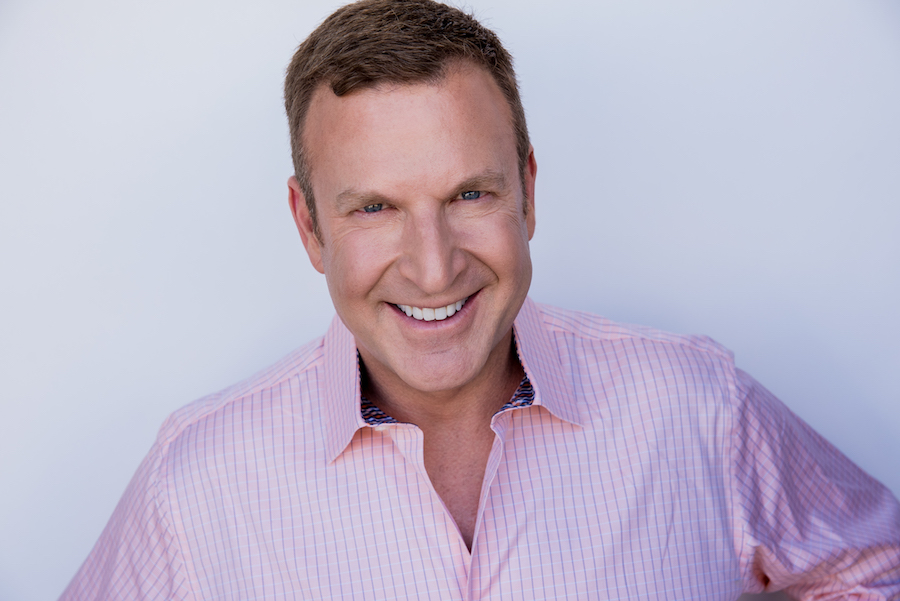

Gut Microbiome Innovation & Tips : Noelle Patno
In fact,
CLICK FOR AUDIO OF PODCAST
Meet Noelle Patno: Chief Scientific Officer at Bened Life
Interestingly, welcome to Trulyfit, the online fitness marketplace connecting pros and clients through unique fitness business software. What is the difference between a probiotic, a prebiotic, a postbiotic, and a psychobiotic? What are the current medical claims surrounding this industry? Are there significant differences across populations in the types of bacteria in our stomachs? We discuss all this and more in this episode.
Steve Washuta: Notably, i’m your host, Steve Washuta, co-founder of Trulyfit and author of Fitness Business 101. Today I interviewed Noelle Patno — you can find her at Noelle Patno, PhD, on Instagram. She’s the Chief Scientific Officer at Bened Life. Her focus is scientific education and research in probiotics and the gut-brain axis. She has degrees from Stanford and the University of Chicago. Not only is she well credentialed, she’s also extremely well read on the research behind probiotics, prebiotics, postbiotics, and psychobiotics. That last term I didn’t even know existed before this conversation. We talked about the granular science of how these compounds work mechanistically in the body. We also talked about the business side: what qualifications a supplement needs to meet to be considered one of these “biotics.” We also discussed the difference between a medical-grade probiotic and something sold off the shelf.
As it turns out, it was a fantastic conversation. Noelle, thank you so much for joining the Trulyfit Podcast. Why don’t you give my listeners some background on who you are? What do you do day to day in the health industry?
From Chemical Engineering to the Gut-Brain Axis
Noelle Patno: To that point, sure, thank you — it’s a pleasure to be here, Steve. I graduated from Stanford University with a chemical engineering degree, with honors and distinction. Then I went on to work for Abbott Laboratories in pharmaceutical research and development and manufacturing engineering. From there I got my PhD in molecular metabolism and nutrition at the University of Chicago. I worked at Metagenics, a company focused on dietary supplements, medical foods, and probiotics. Now I’m with Bened Life as Chief Science Officer. I handle science and regulatory needs for the company, and I work on gut-brain axis education. The company focuses on neurological health and mental health needs.
Defining the Gut Microbiome
Steve Washuta: Overall, today, the lion’s share of our conversation is going to be around the gut microbiome and everything associated with it. I’d say about 80% of my audience is personal trainers and people in the fitness industry. Some physicians and nurses are mixed in too. The other 20% are just people looking for general health tips. So I want to start at a high level to help people understand this. Then we’ll get into more granular specifics. What is the gut microbiome? How do you define it from a layman’s perspective?
Noelle Patno: For context, sure — and just to be clear, this is all educational information, not medical advice. I’m not a medical doctor, I have a PhD. In terms of the gut microbiome, we define that as the genes and the microbes in your intestine. We talk about the gut microbiome rather than just the gut microbiota. That’s because most of the research identifies what’s there by sequencing genes. So when you think of the gut microbiome, think about the genes and all the microbes in your gut. And those microbes include not just bacteria, but other small organisms like fungi.
Probiotics, Prebiotics, Postbiotics, and Psychobiotics Explained
Steve Washuta: That said, what’s the difference between some of this terminology — a probiotic, a prebiotic, a postbiotic, a psychobiotic? There are so many of these terms floating around the industry now, especially with supplements. How do we differentiate them?
Noelle Patno: Meanwhile, yes — the International Scientific Association for Probiotics and Prebiotics, or ISAPP, has actually provided definitions for each of these terms. You may hear them used more loosely by different companies, but ISAPP’s definitions are the strict, globally recognized ones. Probiotic was originally defined by the Food and Agriculture Organization and the World Health Organization back in 2001-2002. ISAPP reiterated essentially the same definition around 2014.
In particular, probiotics are live microorganisms that, when administered in adequate amounts, confer a health benefit on the host. That means they have to be living, and there has to be clinical evidence behind the benefit. That benefit doesn’t have to come from modifying your microbiome, though. Prebiotics, on the other hand, are substrates that are metabolized by bacteria in the gut. That’s not necessarily probiotics, just gut bacteria generally. They also confer a health benefit on the host.
Ultimately, synbiotics combine probiotics and prebiotics in a complementary or synergistic way. And postbiotics are inactivated forms of live microorganisms, their components, and/or their metabolites that still provide a health benefit. In every case, the key is that there’s clinical research behind the benefit. To summarize: a probiotic is live, a prebiotic is food for the gut microbes, and a postbiotic is inactivated. That could mean inactivated cells, components of those cells, or metabolites like the short-chain fatty acid butyrate.
How the Supplement Industry Is Regulated
Steve Washuta: In fact, i thought I was going to get to this later, but this actually leads well into my next question. How is this regulated, as far as the supplement industry versus being treated as a medical product? If the average person walks down the supplement and vitamin aisle, they see these terms everywhere. How do we trust the products? How is it regulated?
Noelle Patno: Interestingly, the US FDA regulates food, drugs, dietary supplements, and medical foods. But it doesn’t have a strict definition for probiotics specifically. So it’s up to the company marketing a product — as a food, a dietary supplement, a drug, or a medical food. They decide which regulatory pathway it’s going down. Each pathway has different levels of required evidence. For example, drugs require pre-market approval.
Notably, many people don’t realize supplements are regulated at all, but that’s because supplements don’t require pre-market approval. Instead, the FDA enforces regulations around dietary supplements after they’re already on the market. That’s why you’ll sometimes hear about companies getting warning letters from the FDA. That’s one of the main ways the FDA regulates the industry in that category.
Why Third-Party Testing Is Hard for Probiotics
Steve Washuta: As it turns out, interesting. The first thing I thought of was that a lot of people look for third-party tested supplements. If you have a vitamin C supplement, for example, you want it third-party tested. That way, you know there’s only vitamin C in there. But I’d imagine — correct me if I’m wrong — that with probiotics and prebiotics, it’s much more difficult. Most companies don’t have the infrastructure to build out third-party testing mechanisms, so they end up testing in house.
Noelle Patno: To that point, that’s correct. When you’re measuring live microorganisms, there’s a gold standard. It’s set by the Council for Responsible Nutrition and the International Probiotics Association guidelines. It’s measured in colony-forming units, or CFUs. That’s usually what you’ll see on a label to quantify live microorganisms, though the FDA does also require milligrams to be specified on certain labels. Not everyone has a lab that can run that kind of microbiology testing. You need the media to grow and culture the microbes. Then you have to wait and count them under a microscope. Some people will open a probiotic capsule and try to culture it in yogurt at home. They think seeing bacteria grow means it’s working. But that’s not how it’s done in a real lab or manufacturing environment.
Good Manufacturing Practices for Probiotics
Noelle Patno: Overall, we operate under controlled conditions and good manufacturing practices, which ties back to what you were saying about regulation. Good manufacturing practices are regulated by the FDA and the Code of Federal Regulations for food, dietary supplements, and drugs. Each category has different rules. So it’s not just labels and manufacturing that are regulated. The lab processes themselves are held to standards that your average household tools simply can’t replicate.
Evaluating Health Claims and Scientific Evidence
Steve Washuta: For context, let’s go back to some of the medical or health claims — whatever you want to call them, health claims or medical claims. These are the claims that supplements make, whether it’s a prebiotic, postbiotic, or psychobiotic. What are some of the claims being made? And what’s the science behind them?
Noelle Patno: That said, it really depends. Some probiotics may make a claim like “supports gut health” or “supports your mood.” There are third-party organizations that evaluate some of these claims. They look at the scientific studies behind particular probiotic strains, and provide a guide to the level of evidence supporting each claim. There are also independent scientists — for gastroenterology specifically, the World Gastroenterology Organization has published probiotics and prebiotics guidelines. Those guidelines specify which strains have which level of evidence for conditions like irritable bowel syndrome and other GI conditions. So it really depends on the product and the strain. A dietary supplement is meant for a healthy population, not a disease population. You’ve probably seen the FDA disclaimer stating that a product isn’t intended to cure, treat, or prevent any disease. There shouldn’t be any mention of disease.
If a probiotic strain was actually tested in a disease population, you can’t make that claim.
Understanding Strain-Level Identification
Noelle Patno: Meanwhile, there are a lot of probiotics on the market — or so-called probiotics. They only list the genus, or the genus and species, but not the strain. So you don’t really know what’s in them. A genus would be something like Lactobacillus or Bifidobacterium, and a species would fall within that genus. For example, Lactobacillus acidophilus is a species, though the naming has changed somewhat over time. You might also see Lactobacillus rhamnosus, Lactobacillus plantarum, or, with bifidobacteria, Bifidobacterium lactis or Bifidobacterium breve. Then you’ll usually see an alphanumeric strain identifier, like Lactobacillus acidophilus NCFM or Lactobacillus rhamnosus GG. Those are common strains that have been around a long time, like Lactobacillus plantarum PS128.
In particular, there are randomized, placebo-controlled trials for some of these specific strains, and we can talk about those. But there are also just collections of live cultures or bacteria in products on the market that are simply labeled “probiotics.” With those, you don’t actually know what’s in them. You don’t know whether they’ve been clinically studied, or even whether the CFU count is still accurate by the expiration date. Some don’t even have an expiration or best-by date on the product at all. So those are some things to look for. It really depends on which probiotic you’re talking about and what evidence exists behind it.
The Clinical Research Behind PS128
Steve Washuta: Ultimately, sure — well, to stay on that, you could pick out any of these strains. Look at their actual longitudinal, double-blind, proper studies. Those look at lab work or take samples. It’s not just self-reporting, like “I think I had a gastro issue, I took this strain, and now I feel better.”
Noelle Patno: Right, there are many examples. If you don’t mind, I’ll talk about PS128. PS128 has been studied in many different populations — we could talk about autism or several other conditions. I’ll focus on autism, since there are four clinical trials for PS128 in autism. Three of those were double-blind, randomized, placebo-controlled trials in autistic children. They showed benefits like reduced anxiety-like behaviors. The fourth trial was actually a real-world study. In it, physicians gave PS128 to autistic children who were already on their other treatment plans. Other autistic children in the study were given different probiotics.
In fact, the children given PS128 showed better improvement, according to physician ratings, than the children on other probiotics. So you have a mix of three double-blind, randomized, placebo-controlled trials plus that real-world study. That’s nice, because it shows the effect isn’t just happening in controlled studies, but also in a real-world setting. There are other examples for other populations too, depending on which population you’re interested in.
What Makes a Probiotic a Psychobiotic
Steve Washuta: Interestingly, let’s go back to that — I have a few questions. Does this fall into the category you call a psychobiotic? Is “psychobiotic” a term your company specifically uses, or is it industry-wide?
Noelle Patno: Notably, psychobiotic was actually defined in the literature back in 2013, I believe. Professor Cryan is one of the researchers who has done a lot of foundational work in the gut-brain axis space. Credit to him. These scientists defined “psychobiotic” as basically probiotics. Now it’s expanded to probiotics and postbiotics that confer a health benefit for psychiatric conditions, particularly gut-brain related ones. That’s why PS128 is considered a psychobiotic — it has this gut-brain effect. In preclinical studies, it was shown to increase dopamine and serotonin in the brain. This held across multiple models, including stress models and Parkinson’s disease models.
In actual clinical research, it’s been shown to benefit autism-related anxiety and stereotyped behaviors. It’s also helped with some oppositional and defiant aggression. It’s not just autism, either. There was also a controlled, though not randomized, 200-person anxiety study, with one control arm and one arm receiving PS128. It showed a reduction in anxiety. There was also an open-label, single-arm study in Parkinson’s disease that showed improvement in Parkinson’s symptoms. Across all of these neurological conditions, PS128 has shown a benefit, with varying levels of evidence. That’s why we consider PS128 a psychobiotic.
Do Gut Microbiomes Differ Across Populations
Steve Washuta: As it turns out, are there significant differences across populations in gut microbiomes? For example, if you compared Eastern Europeans to Canadians, would you expect a particular strain to work better for one population?
Noelle Patno: To that point, that’s a very interesting hypothesis. There are differences in gut microbiomes that have been observed globally, especially between indigenous populations and more urbanized populations. So there are definitely theories about how people might respond differently based on their baseline gut microbiome. There isn’t a ton of research specifically on probiotics across populations. Ideally, you’d want to study people in radically different places using the same probiotic. You’d characterize their gut microbiomes at baseline, give them the probiotic, and track how their microbiome changes over time.
Overall, you’d also need to measure a consistent outcome — are you looking at autism, irritable bowel syndrome, something else? And you’d need to control for the same underlying condition. Indigenous populations often face different health concerns than industrialized populations, like more infectious disease versus more autoimmune and neurological conditions. You’d have to characterize the gut microbiome and then study the probiotic’s effect. It would be great to see more studies that personalize probiotics. That would help us really understand the interaction between the probiotic, the gut microbiome, and the specific region and condition involved.
The Gut Microbiome Across a Lifetime
Steve Washuta: For context, have there been studies — or do you think it would be useful — looking at someone’s gut microbiome at a young age, say as a toddler? And then again later in life? My first thought is a chicken-and-egg problem. Are my food choices affecting my gut microbiome, or is my gut microbiome affecting my food choices? Have I developed particular strains already if, say, I’m an Alaskan Inuit whose ancestors have only eaten fish? Or did I only develop the right bacteria because I started eating fish?
Noelle Patno: That said, there’s definitely demand for longer, longitudinal studies on the microbiome. I’ve heard this raised at microbiome conferences for years. More of that research needs to be done. What we do know is that certain strains are more abundant at younger ages. The genus Bifidobacterium, for example, tends to be higher in toddlers and lower in elderly populations. Other strains show a similar drop-off with age. Some types of bacteria have even been associated with longevity. That’s based on comparisons between populations with longer-living people across different countries and cultures.
Longitudinal Microbiome Research and New Testing Tools
Noelle Patno: Meanwhile, we do need more of these longitudinal and individual studies. One individual, Larry Smarr, has probably had more gut microbiome samples taken than anyone. He’s really pioneered the personalization of gut microbiome sequencing and analysis. But it takes significant resources to gather and analyze that much data. He’s tracking not just the gut microbiome over time, but other health markers too. That includes calprotectin in stool, and blood biomarkers like CRP, an inflammation marker related to stress and overall health. More studies like that will likely require the cost of sequencing to keep coming down.
In particular, that’s the same way falling sequencing costs advanced the Human Genome Project and the Human Microbiome Project. Once costs come down further, I think we’ll see an explosion of individualized, longitudinal studies. There’s actually a cool new tool now. You go to the bathroom as normal, use a wipe, and put it into a small device. That device can process DNA and RNA in a short period of time. It’s at a much lower cost than what I’ve seen before. Once that becomes more commercially available, I think we’ll be able to do a lot more of these longitudinal studies.
Fecal Microbiota Transplants and C. diff Treatment
Steve Washuta: Ultimately, i know you don’t work in this directly, but you’ve probably researched it. On the medical side, for C. diff treatment, they take particular strains and transplant them. Can you talk about that, and about any other medical procedures happening now or down the road that are similar?
Noelle Patno: In fact, with recurrent Clostridium difficile that’s resistant to antibiotic treatment, the treatment is fecal microbiota transplant — taking feces from healthy donors. It keeps recurring partly because antibiotics wipe out the other good bacteria. That donor material is processed to make sure it won’t cause other side effects. Then it’s used as a fecal microbiota transplant to treat C. diff — that’s an FDA-approved medical treatment. There are other indications being evaluated for fecal microbial transplant, and now there’s even research into viral transplants. I recently heard about that at a conference, which is really cool.
Medical Foods vs. Drugs vs. Dietary Supplements
Noelle Patno: Interestingly, there’s a lot of research into these kinds of medical treatments and drugs. But like I mentioned earlier, drugs, medical foods, and dietary supplements are all different regulatory categories. Medical food is a unique category. It’s still intended for a population with a disease or condition. It’s not necessarily a disease exactly — more a disorder or other type of condition. A medical food is intended for the dietary management of a disease or condition. It’s meant to be used under the supervision of a physician. It’s a category the FDA created to open up possibilities without overly restricting the kinds of treatments available. Unlike a drug, it’s not treating the disease or its symptoms directly. Instead, it provides dietary and nutritional support that can still lead to meaningful outcomes for that person’s condition. It’s more indirect, addressing specific nutritional components.
For example, there are medical probiotics that fall under this medical food category.
How PS128 Qualifies as a Medical Food
Noelle Patno: Notably, one example addresses intestinal dysbiosis for intestinal conditions. And like I mentioned with PS128 in autism and other neurological conditions, we consider that a medical food too. It addresses the unique needs present in conditions like autism and Parkinson’s disease. We see a difference in the gut microbiome of people with these neurological conditions versus people without them. We also see different patterns in the brain, which we can mimic in preclinical studies with decreased serotonin and dopamine. Then the probiotic increases serotonin and dopamine in the brain. So this gut-microbiome-to-brain signaling pathway is very important, and it can be disrupted in these neurological conditions. Supporting that pathway as a medical food means addressing distinct nutrient requirements you can’t get from a regular diet. By taking a probiotic like PS128, which is derived from a fermented food, you’re providing dietary support. That support goes to the gut-microbiome-to-brain signaling.
As it turns out, that supports how the body manages neurological conditions and behavior.
How the Gut-Brain Axis Signaling Pathway Works
Noelle Patno: To that point, there’s more to say about the gut-microbiome-to-brain signaling pathways here. One mechanism could be increasing availability of tryptophan or tyrosine, which are precursors to serotonin and dopamine. Bacteria in the gut can alter those nutrients. Another possible mechanism is immune modulation. Especially during stress, bacteria in the gut can affect the immune system. That can send different immune signals to the brain, which can affect serotonin and dopamine levels. There’s also the vagus nerve. A huge number of signals travel through it, typically using acetylcholine as the neurotransmitter for gut-to-brain communication. There are many steps between the gut and the brain that we don’t fully understand yet. But we do know that PS128, in preclinical studies, alters serotonin and dopamine in the brain. In the neurological conditions we’ve studied, there are measurable behavioral and anxiety improvements. That’s just one example of a medical food.
Overall, it’s in the medical category, but it doesn’t carry the same regulatory weight as a drug.
Drug Interactions and the Importance of Physician Supervision
Steve Washuta: For context, are there concerns, or have they already been addressed, around using these probiotics, prebiotics, or psychobiotics alongside particular medications? Could there be a conflict, either synergistically in a good way or a bad way?
Noelle Patno: That said, that’s always possible. For example, there’s a differential response to statins based on a person’s gut microbiome. That’s been shown in the literature recently. As far as probiotics being given alongside drugs, there does need to be more research.
For PS128 specifically, I can give you a lot of examples. In the anxiety trial, the Parkinson’s disease trial, and the autism trials, participants taking PS128 were already on their existing medications. They were also on other interventions. In all of these clinical trials, participants were under medical supervision. Medical foods, including medical probiotics, are intended for use under a physician’s supervision. So if someone is taking any other treatment that could alter serotonin and dopamine, the way PS128 might, they should be under a physician’s care.
Meanwhile, that physician can determine whether they should even take that kind of intervention. They can also monitor symptoms and behavior to decide on continuing, discontinuing, or adjusting dosage. That’s always something to be aware of — checking for interactions. PS128 as a probiotic isn’t a drug, so it’s not going to cause huge shifts. But some people could be extremely sensitive. That’s why it’s always important to work with a physician who understands serotonin and dopamine and how to manage these conditions.
Could Probiotics Someday Be Regulated as Drugs
Steve Washuta: In particular, this is going to be the hardest question you’ve had so far, so get ready. I know you’re the Chief Science Officer. But I’m going to make you put on your CEO or CFO hat here. What if you woke up tomorrow and all of these supplements were reclassified? Say, because there were simply too many positive studies. None of them are supplements anymore — they’re all classified as medical. How do you pivot? Are you worried about that kind of government oversight?
Noelle Patno: If dietary supplements were reclassified as medical foods, that’s actually an easier transition. But if they moved from being dietary supplements to being classified as drugs, you’d need a lot of investment. Filing an Investigational New Drug application takes a lot of paperwork, money, and time. There are already companies working on probiotics as drugs, so-called live biotherapeutics.
Ultimately, there are also dietary supplements in the news, because the FDA has started treating certain supplement ingredients as drugs. That’s happening, and there’s litigation around it. It could happen more broadly, too. Some companies are currently selling supplements that are hanging in the balance.
In fact, they’re waiting to see whether the FDA continues to call the ingredient a drug, or the courts side with the industry’s argument that it’s a natural product and a supplement, not a drug. It’s an ongoing debate. It could happen, and there might need to be a pivot. Or there could be more litigation, like what’s already happening with some other ingredients.
How Many Strains Live in Your Gut
Steve Washuta: Interestingly, it’s always intriguing to me when a supplement or company becomes almost overly successful. Look at CBD — there are studies now on pediatric seizure conditions where CBD is very useful. That crosses a line — does that make it a drug that pediatricians start prescribing? Could CBD stop being classified as a supplement? It’s interesting to see whether the government will step into these situations. But I want to ask you about ratios. Are there specific ratios of gut microbes that we should see in the average person? How many different strains are there inside of me right now? Are there millions of different strains, or only maybe four or five, at 20% each?
Noelle Patno: Notably, there are trillions of gut microbes, and many, many strains. Most gut microbiome studies don’t even go down to the strain level. They identify bacteria at the genus level, sometimes down to species. Going to the strain level takes more cost and more time.
Gut Microbiome Ratios and Testing Company Discrepancies
Steve Washuta: As it turns out, what’s the highest level — sorry, so if you’re talking about the genus level, what are the ratios?
Noelle Patno: To that point, there used to be an idea that the ratio of Bacteroidetes to Firmicutes was associated with health. That was particularly true for obesity or leanness. But later studies have reversed that thinking. Other studies look at different types entirely. I don’t think we have a great sense of what a “perfect” ratio even looks like. Some microbiome testing companies still use the Bacteroidetes-to-Firmicutes ratio. Others use different ratios, or just highlight certain genera — probably things like Lactobacillus, Bifidobacterium, or Akkermansia. It’s challenging, though, because these testing companies often use different methods than what the research itself used.
The Push for Standardized Microbiome Testing
Noelle Patno: So these companies may have their own proprietary data and standards, comparing against their own unpublished data set. That means we don’t really have a transparent way to verify or validate their results. There are some published studies, like a gut microbiome health index that one research group built. They pulled together a lot of publicly available, open-source microbiome data and analyzed it. It didn’t necessarily show the same patterns we might expect from other studies.
Overall, take Faecalibacterium prausnitzii, typically considered a keystone biomarker, especially important for fighting inflammation. You’d expect to see lower levels of it in inflammatory bowel conditions like ulcerative colitis. It’s even lower in colorectal cancer. On the other hand, Akkermansia muciniphila is typically found at lower levels in metabolic conditions. That includes type 2 diabetes, obesity, and hypertension. But those species weren’t necessarily showing up as the most important in this particular study. That’s even though the researchers looked at a huge amount of data.
For context, there’s a broader push toward international harmonization and standardization, because there’s so much variability. That variability isn’t just in the microbiome itself, but in test methods — how DNA is extracted, purified, and sequenced. It also comes down to which reference database is used to say “this gene means this microbe.” There’s a push toward standardizing all of this so everyone is speaking the same language. I think we need that international standardization to really understand what a healthy ratio even is. We’re not there yet, and there are so many microbes in the gut still to study.
Multi-Strain vs. Targeted-Strain Probiotics
Steve Washuta: That said, from a consumer perspective — I go to the store and see all these different probiotics available. Should I think about this like a multivitamin? Meaning, I don’t necessarily have a specific problem, but I take it anyway for overall health. Or should I be matching a specific strain to a specific problem?
Noelle Patno: Meanwhile, there are two competing schools of thought. One is taking a multi-strain probiotic like a multivitamin, to support a range of conditions. Or you might just want to flood your gut with good bacteria — maybe because antibiotics or other factors have lowered your good bacteria levels. Then there’s the other approach: identifying the specific strain, or strain combination, that has actually shown a benefit for a specific condition. That benefit needs to be shown in a specific population in research.
In particular, i’d say most scientists, researchers, and the industry are on board with matching a specific strain to a specific disease. That’s especially true following a 2018 publication by McFarland and colleagues on strain-specific, disease-specific probiotic efficacy. That was published about five or six years ago, but it still holds true today. ISAPP and the International Probiotics Association, among other organizations, are increasingly recognizing which strains help with which conditions. So that’s what we can recommend based on the actual scientific evidence.
Inside Noelle Patno’s Product Line at Bened Life
Steve Washuta: Ultimately, tell us about some of your company’s products, like Nirali Mood, and what your company does differently than others. You don’t have to throw anyone under the bus, but what do you do differently?
Noelle Patno: In fact, we’re very focused on neurological and mental health conditions. Nirali Medical Probiotic is our flagship product — it’s Lactobacillus plantarum PS128. One of our main differentiators is the scientific evidence behind that strain: there are four studies in autism alone. There’s also a study in Tourette’s, a study in Parkinson’s disease, and a study in anxiety. With Nirali Mood, it’s a probiotic-and-postbiotic combination for stress — that’s the dietary supplement. Nirali Medical Probiotic is the medical probiotic for neurological conditions. We focus on high-quality products that follow Current Good Manufacturing Practices.
Ongoing Research and a New Clinical Trial with Jack Gilbert
Noelle Patno: Interestingly, like I mentioned, we have the scientific studies behind our strains, and we make that evidence visible. We also do a lot of community outreach. Nirali and Bened Life focus on reaching out to and partnering with the community. We’re not just relying on past research on these strains; we’re still actively researching them. There are multiple studies listed on ClinicalTrials.gov right now. I’m also excited to be working with Jack Gilbert, a leading microbiome expert at UC San Diego. He’s designing a new clinical trial for us. The first step will be surveying autistic adults to find out which outcomes matter most to them. Then Jack will design a trial around those outcomes, testing PS128 in autistic adults. PS128 has mostly been studied in autistic children so far.
Nirali Mood and the Science of Managing Stress
Noelle Patno: Notably, that’s the Nirali Medical Probiotic side. On the dietary supplement side, Nirali Mood is for mental health. So many people just want to manage stress better. PS128 by itself has been studied in stressed workers. It’s also been studied in physical stress. A randomized, placebo-controlled study in triathletes also showed an impact on the gut microbiome. The heat-treated postbiotic version, PS23, has been studied in a randomized, placebo-controlled trial in stressed nurses. It showed improvement in stress perception and mood, and even lowered the stress hormone cortisol. So we have preclinical and clinical studies behind both the probiotic and the postbiotic. We’re continuing to advance that research.
Community Outreach and Noelle Patno’s Mission at Bened Life
Noelle Patno: As it turns out, we also run stability testing on our products and control our manufacturing conditions. That gives us mechanisms in place to ensure quality and efficacy. On top of that, we invest in education through our website and in community outreach. We work with an organization called Culture City, which supports people with sensory needs. We also recently spoke at a conference at South by Southwest. I moderated a panel where we interviewed autistic individuals. We also talked with researchers about how to bring the autistic-adult perspective into further autism research. That’s part of why we’re doing this new trial with Jack Gilbert. Our tagline is “nothing about us without us.” We want the best science and the community outreach to support people with neurological and mental health conditions.
Where to Find Noelle Patno’s Work
Steve Washuta: To that point, this has been fantastic information for my audience. Why don’t you let them know where they can find out more about your company and your supplements? Where can they reach out with any questions?
Noelle Patno: Overall, sure — bene’dlife.com has the Nirali Mood supplement for mental health, as well as Nirali Medical Probiotic for neurological conditions. You can reach out to customer service with any questions, and we’re on Instagram and Facebook. Let me know if you have any other questions.
Steve Washuta: For context, i’ll put all the links in the description. My guest today has been Noelle Patno — thank you for joining the Trulyfit Podcast.
Noelle Patno: That said, thank you, Steve. It’s been a pleasure.
Steve Washuta: Meanwhile, thanks for joining us on the Trulyfit podcast. Please subscribe, rate, and review on your listening platform. Feel free to email us as we’d love to hear from you.
In particular, Social@Trulyfit.app
Ultimately, thanks again!

In fact, https://benedlife.com/
CLICK FOR AUDIO OF PODCAST
If you want to see how the microbiome shapes health beyond the gut, check out this blog: Skin Microbiome: Dr. Yug Varma of Phylabiotics.
Interestingly,