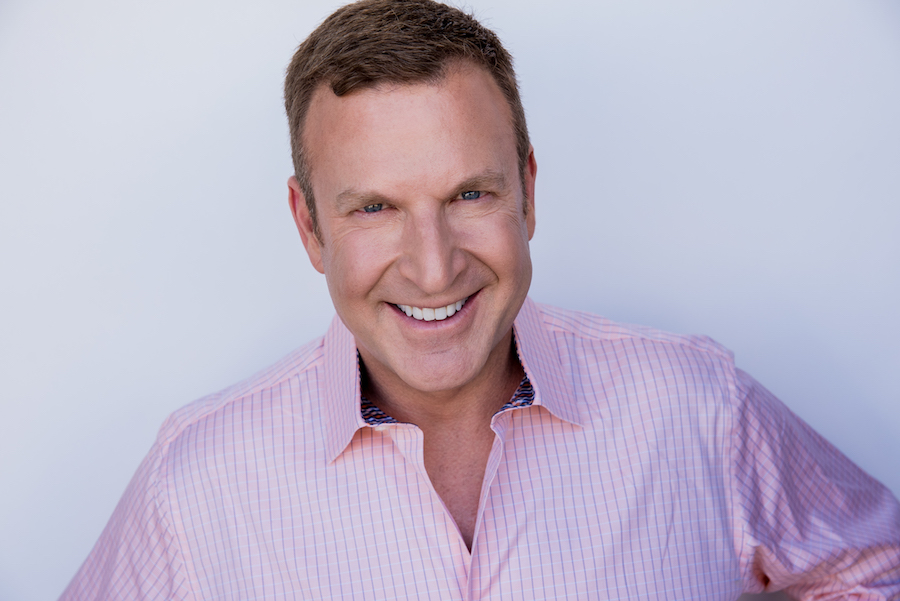

Scalable Fitness Programs: Eric D’Agati

CLICK FOR AUDIO OF PODCAST
In fact, welcome to Trulyfit the online fitness marketplace connecting pros and clients through unique fitness business software. Steve Washuta : Welcome to Trulyfit. Welcome to the Trulyfit podcast where we interview experts in fitness and health to expand our wisdom and wealth. I’m your host, Steve Washuta. Co Founder of Trulyfit and author of Fitness Business 101.
Meet Eric D’Agati: Bridging Athletes and General Population Training
Steve Washuta: Interestingly, on today’s episode I have on Eric D’Agati. You can find everything about him at ericdagati.com I’ll post his other links in the podcast description as well. He is a world class trainer. He’s trained everyone from professional athletes to average Joes. And what I thought was really intriguing about this conversation I’ve spoken with Eric before is, although we do something so different in the industry, in my mind. I train deconditioned general population. Then a lot of seniors coming off of injuries or pre and post op with major issues. Eric, who works primarily with athletes, but certainly works with general population as well, him and I actually do. There’s so much common ground that we do see eye to eye on everything in the industry. Because really, what it comes down to is two sides to the industry.
Notably, there’s the personal experience side, making sure that you’re giving the client your all and providing a professional environment and a personalized experience. A high end experience. And then there’s the technical side. Understanding the client’s body and building a proper programming for that client. In this conversation and I Eric, walk through hypotheticals. If you’re training athletes, a few athletes, as opposed to a team. How do you scale that? In general, what is scaling a system like? How do we make sure that we’re not just throwing things to our clients that are not personalized. You start to scale upwards, what are the pillars of his system? How do we make sure we see nuance in training athletes, let’s say, between a catcher and a redfielder or a quarterback and an offensive lineman. And yet still not waste all of our time.
Eric D’Agati’s 26 Years Building a Career in Fitness
Steve Washuta: Still be able to have somewhat of a scalable program. But also have nuance within that program. It was a great conversation. Again. You can find everything about Eric at ericdagati.com With no further ado. Here is Eric and I. Eric, thank you so much for joining the truly fit podcast for. I believe, the second time, for the listeners who have not heard you on the first round. Why don’t you give a brief bio of who you are and what you do day to day in the health and fitness industry?
Eric D’Agati: Well, great to see you again. Seat, and thanks for having me back. So I am now on year 26 in the industry. So in during that time. Seeing a lot of different corners of the industry as a facility owner for 12 years. As a consultant for teams from the high school up to the professional level to fitness education and teaching workshops and classes all over the world. As well as day to day doing. Hands on coaching with either individuals or teams or virtually. So I’ve kind of seen and done it all over those of many years.
Steve Washuta: As it turns out, put finances aside for a second, put your dream fitness job together. What would you be doing tomorrow?
Eric D’Agati: To that point, that’s a tough one. Growing up as a die hard Yankee fan, like being able to be there with the Yankees. Then maybe sneak in where I can hit batting practice now. Then like that would be pretty cool. I probably would get very tired of being on the road and all that stuff. It my stage of the game. That would probably be up there as far as boxes that I haven’t checked on the bucket list.
Specialist vs. Generalist: How His Training Approach Evolved
Steve Washuta: Overall, what has changed? I would say this is let me first, I guess, preface this with. I believe most careers have an arc to them, including ours. And the arc goes something like this, and don’t let me lead you down this path. If you disagree, that’s totally fine when I throw the next question to you here. But where you start out, you get a few certifications. You learn a little bit about everything, and then you gravitate towards one particular thing. People have this died in the wool ideology. It’s like it’s all plyo, or it’s all CrossFit. It’s all sprinting, it’s all strength training. And then you start to learn a little bit more. You understand the body is just the main tool. And all these other things are just toys. And you become a little bit more generalized. Is your path similar to that?
For context, or how have you seen your career arc over time?
Eric D’Agati: That said, thankfully, I’ve never been all that specialized, and I tried to avoid that quite a bit. Because I realized that the more I knew that, the better I could serve you. And one of the things that struck me is how specific our industry is to your point is. I remember a colleague coming up to me, a guy come up to me at a camp that I was working, big sports camp I was working. There was different strength coaches from different organizations that were there, and a guy comes up to me, Ah. I don’t want to talk to you’re one of those check guys. I go, what does that mean? He goes, Well, you did Paul check stuff?
Avoiding the ‘Rock and the Hard Place’ of One-Trick Training
Eric D’Agati: Meanwhile, i said yeah, I also did Charles Poliquin, and I did this one and that one, too. I’m 20 different guys, I said. So why would you just be one person? But that’s kind of the mindset that they had this single rail kind of thought process. And it’s that’s kind of silly. Why would you ever do that? That really pigeonholes you? And if one thing fixed everything, then we wouldn’t need the other 999 things. So I luckily was smart enough to. Realized early on that one thing is not going to fix it all. I better learn a lot of things. And so I’ve always been very open minded to incorporating everything from Feldman Christ and the Alexander Technique to with my athletes. To incorporating, plyometrics and speed training with my 50 year olds.
Steve Washuta: Yeah, like you said, that’s that is rare in the industry. I think what happens is people gravitate towards something. It works one time and it’s just the easy path. It’s well, this worked for this athlete, so I’m going to continue to push this. Forget about learning it works. But inevitably, you come up in between that rock and the hard place, where the thing doesn’t work, and then you have to come to the realization that realization that you need to take a step back and learn more. You can get lucky like you did, and never get put in that position. And just keep learning on your journey.
Eric D’Agati: Yeah, it works until it doesn’t. And so you can, you can actually make a pretty good career for yourself with the 8020 play in our career, meaning.
Chasing the Hard 20 Percent: A Business Advantage
Eric D’Agati: If you find that thing that works for 80% of the people like you’ll do okay. That’s the vast majority. I’ve always kind of gravitated towards that 20%, right from when I first started out — I was always the guy in the gym who got the people no one else could figure out. I want to deal with that 20%; it intrigues me. It’s much more fascinating to me. It’s much more challenging to me. And then, I also realized, from a business standpoint, is like when you can only. When those 20% can only find a few people that can help them. Well, I can have a little higher demand, I can charge a little more. I can be a little more exclusive than who I choose. And so I want to gravitate to those people that no one else can
Steve Washuta: In particular, figure out. Yeah, and I would even argue, Eric. You don’t you don’t have to find those people, because they’ll find you. They see you working right? They see Eric’s mind churning when he’s in a facility, and he’s playing what I would call anatomical sleuth. He’s figuring out all these nuances from this one client that none of the other trainers can handle. Well, then other people see that and go, I need Eric. Because no one can figure out my problems. And you’ve already done the hard work the marketing is over. Essentially, they’re coming to you.
Eric D’Agati: Yeah, and with that the best marketing you have is being really good,. And I know we’ll talk about this further down the road. We talk about kind of challenges that we have in our industry.
Business Development Won’t Save a Trainer Who Isn’t Good
Eric D’Agati: But one of the things that’s that’s big now is, okay, well, how many people can you get on your email list and into your funnel and so forth and like there’s, if you’re like me, Steve. You have three DMS a day from these marketers that promise you that they’re going to get you a million leads this week. They’re going to make you millions of dollars and so forth. And even if that wasn’t absolute nonsense, and even if that was true for most of the trainers out there, that could be the worst thing that ever happened to them. Because if 100 people show up tomorrow, one, you can’t handle them. You don’t know how to scale it. Two is, you’re not good enough. And so you’re gonna have 100 people going around town telling everybody that I tried that, and it stunk.
So your first prerequisite is you got to be good enough to handle the client that walks in the door. So if you’re not that all that other stuff doesn’t matter.
Steve Washuta: Ultimately, couldn’t agree more. Shameless plug fitness business one on one that I a book that I wrote again. It says one on one for a reason. This isn’t to make millions of dollars. It’s if you get your first certification. How do you do the right things to make sure that you can be a personal trainer for life and not fail in the industry? And one of the things that I put a lot of emphasis on is just what you said is that you said. Is that you want to grow commiserate with your skill set if you get 10 clients before you’re ready. I compare it to a hairdresser.
The Hairdresser Analogy: Earning the Right to More Clients
Steve Washuta: If you just became a hairdresser, you don’t want the girl whose wedding it is tomorrow. Because you’re probably going to fuck her hair up, right? You want a 12 year old boy. Is who you want, because it doesn’t really matter if you mess his hair up. And that’s the same thing as a as somebody in our industry. You don’t want a lot of clients before you can handle them. Like you said, you like you said, Bad word of mouth, bad reputation, and then really it leaves a bad taste in your mouth. Because now you don’t gain the confidence to help people because you’ve screwed the situation up.
Eric D’Agati: Well, I’ll tie it back to something you said earlier. And there was an exercise that I actually used to do with my staff when I had my facility. We would call it the dream client scenario, and said. Write down anybody in the world if you wanted to train them. And if it could be anybody in the world, who would that be? And then the challenge was, okay. If they walked in the door tomorrow, could you actually do it? Because that’s the reality. Is, if you want to train this client like you have to be able to walk the walk. So I had the confidence that whoever I wrote on that sheet if they walked in the door, not only do I know I can handle it. I can get them convinced in the first 10 minutes that they’re they should trust me.
In fact, that I’m the person that’s going to get them there. And so if you don’t have that confidence in that ability.
Defining a ‘World-Class Training Experience’
Eric D’Agati: Then you can’t complain that you don’t have your dream client.
Steve Washuta: Interestingly, that leads into the next question here, which is, the word experience, we had a back and forth. You use the word world class training experience. I’m sure that ties into exactly what you were saying. It’s not just about your knowledge. It’s about convincing the client, not in any not, but not by lying in any way, but convincing them that you have their best interest in mind. That you’re doing the right things on their journey to help them how. Do you go about doing that? And why did you use that term experience?
Eric D’Agati: Well, if you think about what’s the difference between going to the La Quinta and going to Ritz Carlton. It’s a bed that I’m going to stay overnight, and it’s four walls, right? But there’s an experience of that. And even if they have fancier sheets and they have fancier, furniture. That’s not what that’s not commensurate with the difference that they’re charging they’re charging. You have an experience and an expectation that’s there. The same thing goes for if you’re going to a five star. Dining experience versus you’re going to Chili’s right? And so if we then take that into training, let’s look at what’s one of the most wildly successful things in fitness in the last five to 10 years. And peloton is a bike with a TV on it right. Spin classes have been around for years.
Notably, how is it that this launched into a stratosphere of a huge corporation and create this cult like following? Because they created an experience. There was virtual high fives. There was they created a celebrity type aura with their instructors.
The Million-Dollar Trainer Thought Experiment
Eric D’Agati: As it turns out, they there was a certain thing to where their class was unique. You were part of a tribe. And so that was an experience. And so I’ll give you another exercise that I would do at my staff. I would call it the million dollar trainer. And said, if you wanted to make a million dollars a year, right? Let’s say you work 50 weeks out of the year, and you did 20 sessions a week. You’d have to charge basically around $1,000 per session to make that number okay. What would a $1,000 session look like? Would you show up to have the person eating out of a Tupperware, with cut-off sleeves on, scrolling through their phone? Would they be making up the workout as they went, without knowing your background, your history, your wants, your needs, and your preferences?
To that point, what would make that the most impeccable experience it could be? And then you should strive for making those things, because, if not, you’re going to be just a floor staff trainer, that the expectations are low. So I want to set my expectations so that theoretical of being that million dollar trainer. I have to live it and be it. And what would that experience look like?
Steve Washuta: Yeah, all good points. You have to be professional. And the term is personal training. 50% of it is personal, right? You have to make it personalized. You have to make sure that the person feels as if you are the professional. They are paying for a service. That service isn’t just you writing them out of program. That is a different service, right? Writing somebody out of program is a service, and it’s doesn’t of course.
Why Personal Training Has to Feel Personal
Steve Washuta: Overall, it needs to be personalized to them, physically, right? Physiologically. But when you’re there on site with someone. There’s a whole nother level of professionalism that has to come right? You don’t show up with the coffee in hand. You make sure you show up 15 minutes early in case. Maybe you planned on using the cable machine, but the cable machine was broke that day. Well, now you have to make sure that there was another plan in place. Because that equipment wasn’t there. Maybe you’re running a fitness class of some sort, and the music’s not working properly well. Do you have backup music? Are you? Are you ready to make sure that all of these, all of your ducks are in a row. By showing up early and giving what you said that the million dollar experience.
And I don’t think that people look at it that way. Unfortunately, they look at training the same way as they would if you wrote somebody out a program and sent it to them via email.
Eric D’Agati: For context, i tell everybody that if you’re just teaching people exercises, you’re going to be obsolete very quickly, because. This is something that became, really noticeable in COVID where everybody rushed to do online training. And a lot of their online training was just they’re doing burpees in their living room, and it’s okay. Well, I can go on YouTube and get that for free. What do I need you for right? So why do I need to pay you? If I can just get this for free? There’s so many resources out there that we can listen to podcasts like this. We can look on social media.
Why Just Teaching Exercises Isn’t Enough Anymore
Eric D’Agati: That said, we can get learn exercises for free, or even get programs on chat, GPT for free. That’s not what they’re really looking for. And if you don’t ask the key questions of your clients and find out. Why are you really here? The first answer is not the real answer. And I always talk about asking the second question, the great clinicians, doctors, therapists, service. People ask the second question. Okay, why are you here? Steve, okay, but why? What does that do? What can you become, and what can you then do once that happens? The five pounds, the 10 pounds, my bench at this much, or my 40 at this number. That’s not really the why, the why is that allows me.
Meanwhile, this is what’s going to make me not feel old anymore, be a good example for my children, and allow me to reclaim the person I used to be. That’s the real why. And so our job is to be the problem solver, to get them from where they are now to where they want to be, and clear out all the roadblocks. Then just guide them there. We’re not at no one. Ever got dragged into the into the winning circle, you have to basically be, and I take this from Luca, host of our you have to be a Sherpa. You have to be a really good guide, and know the best. Most, fastest, effective and efficient way to get there. But you need to know what the real Why is the real Why is never the first answer. That’s what we’re there for.
If you can tap into that’s when you create what I call forever client.
The Power of Asking ‘What Else?’
Eric D’Agati: In particular, that will that’s not going to leave you. And until you can tap into that, why? You’re only just scratching the surface. You’re going to be selling 10 packs for the rest of your life. Yeah.
Steve Washuta: And then piggyback on that. My wife’s a pediatrician, and she says her most important tool is it’s very similar to what you said, but instead of why. She says, ‘What else, what else, what else, what else?’ Right, that needs to be repeated so many times. Until you’ve actually taken in all of the information. The second and third layers of information you’re you’re not going to be able to put together a good game plan. You’re not gonna be able to connect with that person. Additionally, speaking, forget about just the connection from a from a health standpoint. Almost everybody that I’ve worked with has forgot something on their health history form that was so important that I found out later on, right? It doesn’t matter how thorough my health history form is.
If you don’t have that conversation, what happens is what they think, what I think is serious. They don’t think is serious, right? So they broke their ankle when they were 17. Well, now they’re 57 they don’t think that’s a big deal. Well, there’s compensation patterns that have built up because of that. So if I don’t know that, then and I see something going wrong. I say, Hey, John, it looks like you’re limping a little bit. Oh, yeah, I broke my ankle when I was 17. Well, you didn’t put that on your health history form, John. I don’t think it was a big deal.
The Health History Details Clients Forget to Mention
Steve Washuta: So you only get to that by unpeeling the onion layers and having the conversations
Eric D’Agati: 100% we actually tell some funny stories in our course about funny stories of things that people forgot to tell you. Because if you watch somebody fill out their questionnaire, it’s just boom sign, let’s go. I want to work out,. And so I had a woman that I was working with and moving really poorly. I said, You sure you have nothing? And she said, No, nothing going on. I said, What’s the scar on Unice? Oh, that’s from my ACL surgery. I said, oh, when was that? She goes Well, which one What do you mean? Which one? I said, How many of you had? She said, I’ve had four. I said, you forgot four ACL surgeries, four year long, grueling rehabs. You forgot yet? Is that going to change your programming just a little bit? Steve, knowing that she’s had four ACL surgeries.
So if you don’t ask the questions and you just you’re so focused. I’m going to teach you exercises and impress you with how many exercises I know you’re going to completely miss the boat. I don’t
Steve Washuta: Ultimately, mean to be a one upper here. I had somebody who told me. Two weeks into us working out that she had a heart attack. It wasn’t on her health history forms. I was working with somebody who, at one point in her life had a heart attack. It wasn’t on her health history. On her health history form that just shows you that people will. I do it too. I’ve had two surgeries. I’ve had a double inguinal hernia surgery, and I’ve had a pinky surgery. And I often forget.
Uncovering the Fears and Habits Behind Every Client
Steve Washuta: In fact, people ask me if I’ve had any serious injuries. I say no, because I don’t consider them serious. And I push them into the back of my memory.
Eric D’Agati: Yeah, we we can go on for days and days with stories of things that people have forgotten. It’s really the diligence of not only asking the injury history. But asking, what do you do all day? Tell me what a typical day looks like for you. Because what if I have a guy who’s a bricklayer and then I’m going to give him farmers walks. He shows up for his workout, like this guy just Carried Bricks all day. That’s the last thing he needs to do is carry stuff another 50 feet. So, but I would never know if I didn’t ask the question and finding out what some of their apprehensions and fears are. I had, there’s certain pieces of equipment that people have aversion to for whatever reason. They had, maybe they went to a kettlebell class.
Interestingly, they did a kettlebell swing wrong, and now they’re fearful of kettlebells. I had a woman who’s scared of the cable machine. The cable machine is the teddy bear of the gym equipment. Yet she was petrified because she once did something on a cable machine that hurt her. Now, if she shows up day one. I give her a bunch of cable exercises, I’m going to scare her away. I need to know these things. So finding out, what have you had success with, what have you not had success with? Is there anything that you really don’t like doing? Is there that you do like doing? If you don’t ask those extra questions. You’re going to end up driving.
What ‘Scalable’ Actually Means in Program Design
Eric D’Agati: Right off the edge of the cliff with the program earlier,.
Steve Washuta: Notably, we talked about the term scalable. When I hear that, I think of the same marketing people you just talked about. Who send us emails and DMS four times a day. How do we make sure that we’re being still providing that high level, that quality service. That million dollar training, as you say, and eventually, make sure that our systems are scalable. That we can make a living?
Eric D’Agati: Yeah, so here’s one of the mistakes I made early on: I thought that to make an individual program for you, I had to sit down at my desk or at the coffee shop with a blank sheet of paper. I’d start by writing your name on the top. Then go from there, write your program. Then I realized, what we’re if I have this, these checklists that I’m working off of. That I have some certain things that I want in everybody’s program, regardless of your goal. There’s, there’s, seven or nine, seven to nine different movement patterns that just about everybody should have somewhere in their program. In some different form. So if I start with a skeleton of that and say, Okay. Well then in terms of building the actual workout, all right. Well, we’re going to have some movement preparation.
As it turns out, we want to have in primer for it. We’re going to have the bulk and meat potatoes of our workout. Then maybe some conditioning, and then maybe some cool down. If I know, I have that framework, okay? And if I just built a template that, if you met me at a party, Steven.
Building a Program Skeleton Instead of Starting From Scratch
Eric D’Agati: To that point, you said, Hey, can you write me a program just for general fitness. I could grab a napkin, put it together for you, and hand it to you. Then what’s going to happen is you’re going to go, this is great. But I don’t know how to do some of these things, or I don’t have the equipment for some of these things. I have this shoulder issue, I don’t know if I could do this. So now all I don’t have to start from scratch. I just take the program and make some slight adjustments. Okay, so that shoulder issue, I probably don’t want you going overhead, so I’m going to slide that out and put something else in that’s going to be safe and doable for you. That, conditioning that I hadn’t programmed in for you already do the peloton.
Overall, are you or an avid runner, or something along those lines. So I could slide that out and put something else in there. I don’t have to start from scratch. And now i can get make that program, in five minutes. As opposed to 25 minutes starting from scratch. And so that’s what scalable is be having really good systems and checklists that it takes you a lot less time to do the same thing. So you have more time to do other things.
Steve Washuta: Yeah, and I think a lot of trainers who are skilled have the ability to do that live, which is great. That doesn’t substitute for what you’re doing and having it on paper. That you can be scalable, right? If somebody comes in and whatever we’re working through exercises. They can’t do a shoulder press.
Adapting a Program Template on the Fly
Steve Washuta: And I think about the muscles involved in a shoulder press, the anterior delt, a little bit of tricep going on, oh. I can work those other I can work those muscles with other exercises. But that doesn’t mean I should, I should have that somewhere on paper where there’s a, like you said, a skeleton. Then two or three layers deep, so that I can make sure I can scale that system. That I don’t need to be there live,.
Eric D’Agati: For context, yes, and I also need to have a backup plan. I always say people show up and they’re going to have one of three days. They’re going to show up and they’re going to have a green light day, which is hopefully most days where everything is a go, everything I had planned for you. We’re gonna go ahead and move forward with. We have nothing in our way, no barriers in our way. So we’re gonna, we’re gonna maybe even try to push the intensity or the volume up a little bit. Then you have those yellow light days, because maybe I had a long, flight the day before. I’ve been doing a lot of sitting. I had I went skiing over the weekend, or something is something off?
So we’re going to proceed with caution and maybe add a few extra things in your movement, preparation, and kind of just do a quick check to make sure everything is where it should be. Then we can proceed with caution. Or sometimes there’s those red light days where it’s I have a baby at home, I got zero sleep. I was out late last night at a work function. I’m super stressed, or I’m fighting off a cold.
Green Light, Yellow Light, Red Light Training Days
Eric D’Agati: That said, we gotta completely scrap today’s plan, and. You have to have that backup plan ready to go as well. It’s not a complete waste — I can still keep you moving forward, and if you’re really skilled, you can do that on the fly. But I wouldn’t bank on that. I wouldn’t bank on it. Like you said, what if your backup plan in your head is in is utilizing that rack over there. But all of a sudden somebody just stepped in that rack to do 20 sets of curls.
Steve Washuta: Well, now what are you going to do? Yeah, and I would add to that, you can’t expect your client to be the one to tell you which day it is. Because you have to have that pre workout conversation, just like we talked about, right? It’s all about the experience when they’re doing it. Let’s say they’re doing a dynamic warm up. How was your day today? When’s the last time you ate? Did you sleep well last night? Oh, remember that little hip pointer you had last week? Do you think it’s healed? Do you Do you still feel it? Unless you go through those that conversational piece on the front end of your workout. Your client is going to think that you’re the professional. You already know what’s going on, and you end up putting them through that green light day.
Meanwhile, it should have been a yellow or maybe a red.
Eric D’Agati: Now, I actually have one thing that I do, which is a daily readiness screening that I teach — it’s literally a 60-second quick scan of your movement.
Daily Readiness Screening and Wearable Device Data
Eric D’Agati: In particular, there are also some other things to kind of get where you’re at in terms of your readiness. It’s not in it’s not a full blown out evaluation. All it is to see how do you compare today versus the you that I wrote this program for. Then the other thing you can layer on top of that — which we have to our advantage now — is all these different wearable devices, where you can start to see somebody’s trends in their resting heart rate, their heart rate variability, and their sleep patterns. And so when you can start to look at some of those things and see trends within there. That’s where you can also start to make adjustments. To say, Okay, well, I’m looking here, and your resting heart rate’s higher than usual.
Ultimately, your HRV has been on a steady decline over the last two weeks.
In fact, i may need to peel back somewhat here. We may be pushing a little too hard. Or the inverse is that you’re responding really well the training. I’m going to actually put the pedal down a little bit harder. I’m doing that based on some more objective data. As well as combining that with the subjectivity of what they’re telling me. And then sometimes what’ll happen is it will be. I want to always have as many safety catches as possible. To your point, earlier of this person forgot to tell you they had this or that. Well, I have the safety catches of that, of doing a movement screen. Of doing an assessment that will catch it if you don’t tell me. Well, same thing with the readiness stuff is.
Reading Breath Holds and Physiological Stress Signals
Eric D’Agati: Interestingly, like one of the things I’ll have people do is a breath hold. If your breath hold is normally, in the normal ranges of 25 seconds now. All of a sudden, it’s 13. What’s up is everything, all right, well, I’m super stressed at work. Oh, well, they didn’t come in sharing that information. But now that I’ve caught them physiologically not being who they normally are. I want to know why, and now I know I need to adjust my program accordingly.
Steve Washuta: Notably, is this readiness program based upon your let’s call it athletic prowess. Would you do the same one for yourself, Eric, as you would for Aaron Judge, as you would for Steve, or as you would for a 93-year-old? Are you tapering this and changing it based upon their athletic prowess, so to speak?
Eric D’Agati: As it turns out, the baseline is the same for every human, okay? And it’s just looking at some fundamental movement, a breath hold, a balance test. Then adding in possibly a grip strength test. As well as any other metrics we have from a wearable now that’s just to see where are you at versus where you normally are. Then if we’re going to do something that day, that’s going to be more challenging on the athletic kind of continuum. Well, then I’m going to have some further checks for that. So everybody starts with the same fundamental package. That’s going to take me all of 90 seconds. And then from there, I may layer on some additional things that are going to look a little bit deeper into their level based on how much I’m going to challenge your nervous system that day.
Applying Readiness Data to a Real Training Decision
Steve Washuta: To that point, alright, so to walk through an experiment here, somebody comes in, you are already planned, let’s say, to do a yellow light day with them. Because they had a really heavy day on Monday, it’s Wednesday. There’s no way they could be recovered. All the metrics align with that. And you go, Yep, this is going to be a yellow light that you stick with it. However, what if it’s the opposite? You had planned to do a Green Day. You did a yellow light day two days earlier, and the metrics are now down. Do you say no? You say no, Green Day today, or there’s. There’s now further testing to make sure that they can go into that Green Day.
Eric D’Agati: Yeah, and I never make my program decisions off of one metric, don’t look at your recovery score in your whoop. Then decide whether they’re going to get out of bed that morning. Like you want to look at trends and then also look at it in the grand scheme of things. I can’t tell you exactly what I’m going to do with you today until I know what’s. Then three days ahead and what happened the three days prior. So that’s going to also drive my decision making. So if it’s Friday, and that scenario is, where you just said, where, okay, probably going to do a yellow day. They’re, they’re really kind of trending down where I was going to do a Green Day. But they’re, they’re not. They don’t look totally ready for it. Look You got two days off.
Overall, i’m gonna have you completely chill out and recover, maybe even go if you get the ability to get some soft tissue work.
Why Fitness Professionals Struggle to Adjust the Plan
Eric D’Agati: If you could do, some recovery work over the weekend. Let’s still go ahead, because I have that blocked in there. But if you’re my baseball pitcher, and you have a high intent bullpen getting ready for the season. You’re that you’re ramping up for the next day. I need every ounce of your nervous system prepared for that, so I’m going to. I’m going to adjust accordingly, because that’s actually what we’re training for, sure, right? I can’t lose sight that. And the totem pole of things, of priorities that we’re training for that, right? They’re not training to get good at training. And so you have to look at the grand scheme of what happened to three days prior, what happened to three days leading up to. Then make your decisions based on that.
Steve Washuta: For context, i do think there are a lot of fitness professionals who understand what you said. They obviously would agree with it, and they even know it in the background. And the reason they don’t do it is not necessarily because they, again, they disagree with the premises. Because they actually don’t have the volume of exercises in their repertoire to tone things down right. They made a plan. They are very black and white, and they go, this is my plan. I don’t know how to have another plan. So I think that’s also a part of the problem. Is you have to, like you said this kind of circles back to what we initially stated. That’s why you work slowly, commiserate with your skill set, so that you can build your knowledge, your exercise library.
So that when you do run into that you’re not worried about what else can I do?
Fitness Entertainment vs. Real Training
Eric D’Agati: Well, there’s a good portion of our industry that’s in the fitness entertainment business. They’re not. In the training business, right? I’m going to show you a whole bunch of exercise and keep you entertained and engage for an hour. And some people need that. Like the low common denominator of and the lowest hanging fruit of our industry is just get people to show up and have fun and get them to keep showing up. It’s better than them sitting home, which is 100% true when you realize that 80% of the population isn’t exercising at all. If you’re serving that population, then you need to do some fitness entertainment. You need to keep people engaged and having fun and coming back. Is that the best program in the world for those people? No, but they might not care.
That said, it doesn’t matter for them, as long as you’re not hurting them and they’re having fun. Great. Keep doing that now, in terms of having the skill set, and even more than the skill set, is the confidence to say it’s okay. This is all we’re doing today. I don’t feel like I have to fill every minute with something new and exciting. I don’t feel like I have to talk through every single second of this session. The more mature I get with my training the less I talk. I used to be the one who’s the young trainer in the gym. I want to impress everybody with every Latin term that I knew and everything I wanted to put on an entire show for you and talk you through every single thing that’s going on. And then I realized they’re zoned out for 90% of that.
Confidence, Silence, and Earning Client Trust
Eric D’Agati: If they didn’t trust that I knew what I was doing, they wouldn’t be with me. So they’re actually more confident when I say less. And so sometimes, even to their point, they’ll turn to me, is everything alright? If you’re doing it wrong, I’ll let. But if not, I don’t need to just fill the space with talking. And so that’s where you get more confidence. You don’t feel like you need to feel the space. You don’t feel like you need to dazzle them or make them sweat and sore every single time, like it’s okay. I if I get you walking out feeling good. This is part of the bigger picture here. That’s, that’s, that’s okay too. That’s, that’s part of the process.
Steve Washuta: Meanwhile, want to dive down some hypotheticals going into some of your specialties, like sports training. Specifically, hypothetically, I have two clients. Let’s say they’re both soccer players in high school, and I’m designing a program for them. Take me through the first steps. Are we starting, like you said, where you already have some plan in place. You’re just working off that? Or are you, are you completely building from scratch?
Eric D’Agati: So I have a plan in place. So there’s a basic there’s and this is a thing that I thought more people understood, but apparently they don’t, as I’ve talked, and taught about. This is there’s GPP and SPP GPP is general physical preparedness, right? Those are, that’s a general physical capacity that just about everybody should have. And specific SPP physical preparedness is specific to a certain sport, so or activity. Now, until you’ve checked a lot of the boxes in your GPP.
GPP vs. SPP: The Foundation of Sport-Specific Training
Eric D’Agati: In particular, i don’t really care about your SPP a whole lot. And this is a huge mistake we make. Is that, the trainer gets the person who comes in and says. They want to be a better golfer. And immediately it’s everything rotational and hooking bands up to golf clubs and making everything. Quote, unquote, sports specific. When this person can’t do a push up, they can’t touch their toes. They can’t do some very fundamental things as general physical preparedness that they should be able to do. So I’m going to start with that. And so the first thing is, I have this template for general physical preparedness. Then on the front end of that, I’m going to do an evaluation. And that evaluation is going to tell me, first. Is there anything that I shouldn’t do with you?
Ultimately, meaning, because of your shoulder mobility, I shouldn’t bring your arms up overhead in. It’s loaded, or that you have one ankle that moves in, another one that doesn’t. So maybe bilateral, squatting or lower body work is not the best thing for you. So I’m basically removing things and adapting based on that. Now, once we get into the training. You’re starting to check the boxes for where you’ve met kind of the mark where. The Strong enough for what you need, type of situation. Now we’ll go into more specifics. That comes into understanding at least a fundamental level, what are the bio motor requirements of their sport. Of their position, of their style of play. And so I have to understand, okay. This is where it gets into being unique, not just being the soccer player.
Scaling From Two Athletes to an Entire Team
Eric D’Agati: But what position do you play, and What style do you play at? What level do you play? And so what do you need to develop here that we don’t have checked in the general category. Then start to specifically develop that you don’t need to be an expert coach. I’ve trained pro soccer players. I know so little about soccer that it’s unimaginable, but I understand what their physical demands are. So as long as I prepare you for those physical demands. Let your skill then take over. I want to get you in the best position to express your skill.
Steve Washuta: In fact, okay, now take that up a notch. So you wrote those two programs out. You went through the GPP, the SPP, with these two individual players. Does it become? Easier in a scalable fashion. So now the coach comes up to you and says, Eric. Johnny and Mike are now my two best players. Thank you for all you’ve done well. Now you’re going to take 11 other guys on my team and do the same thing. Is that going to be easy? Or do you are you spending the same amount of time building the rest of their programs?
Eric D’Agati: Interestingly, it’s not any more difficult, other than the session management itself. Anybody who’s done a session in a weight room with 40 athletes understands that’s a lot more taxing than working one-on-one in a personal training setting. It takes more energy, attention, time, and focus. So forth, but in terms of the program writing, all that’s going to change. And I always say there’s three factors that kind of drive your decision making in programming is that it’s access information and safety, right? Safety comes first, right? First.
Access, Information, and Safety in Program Design
Eric D’Agati: Notably, how do I do this and make this safe? So perfect example is, if I’m a consultant for a high school football team, and I’m not going to be the one in the weight room with you all the time, I’m basically designing a program. This is a lot of how I consulted with teens for many years, is I would be the person who come in design your program. Then your coaches would then execute it. Well, if I don’t trust your coach to teach Olympic lifts, because they’re incredibly complex and need to really need to have a good coach, they’re incredibly beneficial. If I don’t trust that they’re going to get done to the way that they should be done. Where you’re going to get benefit from there could be a safety risk there, right?
As it turns out, or I’ve been in some super small weight rooms where bars flying all over the place is a recipe for someone getting knocked out cold. So safety’s got to be number one on the list. So there’s some things I would trust doing with you one on one that I don’t know if I trust with 20 people in the room. You I don’t have that same focus. So safety is going to make to some decisions where I may take out some things that need a little bit more. Higher skill or attentive coaching. This The next thing is access, right? How much access am I going to have with them, as I just described? Am I going to only see them once, implement the program. Then the coach is going to take over? Is this something I’m giving you a program.
Designing Programs You Can Hand Off to Coaches
Eric D’Agati: To that point, you’re doing it all on your own, or where you’re doing virtually through this. Or am I going to be there with you? If I’m going to be there with you, I’ll make certain decisions that I wouldn’t make if I wasn’t going to be there with you. Then, in terms of information — well, if I see them one on one — I have the all the information of doing a detailed evaluation. Well, the chances of me being able to get a detailed evaluation of high school kids in terms of their availability, in terms of budget, in terms of. That’s not going to happen. So I’m not going to know their individual needs. So I have to kind of simplify it to the lowest common denominator again, to say, Okay.
Overall, what do I feel is going to be at least the something that everybody can do.
For context, not just the best kid in the room. And then I know, then once I get into the room, here’s how I can scale it to the best kid in the room. If I need to.
Steve Washuta: That said, the last conversation we had, we got into talking about a hypothetical with training baseball players. You talked about, well, listen, Steve. There’s a big difference between training, a catcher and a right fielder. They’re going to be doing two different things. How do we ensure that we differentiate the nuances between training different people. A quarterback and an offensive lineman and at the same time, make the program scalable?
Eric D’Agati: So if again, it goes back to one that GPP versus SPP. Everybody has to do certain has to meet certain basic requirements.
A Belt-System Approach to Progressing Athletes
Eric D’Agati: Meanwhile, like what I actually created for one of our courses is a belt system. Almost like the martial arts have a belt system. And so we did it with exercise. We basically take the nine patterns and say. Here’s your white belt activities that everybody should be able to do this. And if you could do that, then you should go to blue belt. And then once you can kind of do a blue belt. Now we can get a little bit more specific as to whatever it is your goal is. And so I want to first make sure you can do that, because if you can’t. You’re going to be doing a lot of fancy drills for someone who. Like I said, who came and squat their own body weight. Then from there, in terms of making it specific to them.
In particular, understanding those bio motor demands that they have to have in terms of what energy systems that they need to use. How much along the strength power continuum are they? Are they more strength athlete like a like a lineman. Or more of a power type athlete, like a, like a linebacker? And then once you get into there, you still have your basic template. You’re still, everybody’s still working off the same nine patterns that’s never going to change. Whether you’re 90 and you’re just trying to, live forever, or you’re you’re 20. You’re trying to make an NFL team, everybody still does the same basic patterns. We push, we pull, we do it forward, we do it overhead, we do we rotate. We carry, we lunge, we step, we squat, we hinge, like everybody’s doing those basic things.
When Sport Coaches Don’t Understand the Body
Eric D’Agati: Now it’s just a matter of scaling it to what it is that you have and what it is it tells me more of you individually than here’s my program for shortstops. Because I also could have five shortstops that need five different programs. Because they’re all at different ends of their physical. Capacity.
Steve Washuta: Ultimately, do you struggle working alongside coaches? This is just personally, anecdotally. Because of the fact that sometimes people who know a lot about that particular sport and don’t understand the body can’t quite merge the two. You just talked about golf. I work with golfers. And when you work with people who are golf professionals, who aren’t TPI certified. They give a lot of cues, right? Like we do personal trainers give cues, and the cues are anatomically wrong. You’ll say things push back through your left hip. But when you do that, hips work bilaterally, so then my right hip pops forward. Then the golfer is an early extension, right? It’s No, you have to tuck. You have to go into, basically, an anterior, excuse me, a posterior pelvic tilt in order to turn.
In fact, they just I feel like it’s difficult to work with coaches who don’t know the body but know the sport.
Eric D’Agati: Interestingly, it can be, but we have to take meet them where they’re at. And so all my relationships with all the skill coaches I’ve worked with over the years just came from me just sitting and observing and seeing what they’re trying to do. And if I’m watching a pitching coach, and they’re trying to get them over their front leg. I can kind of see where this could be a problem, and they’re not.
Meeting Skill Coaches Where They Are
Eric D’Agati: Notably, they’re trying to do a drill, and it’s just not connecting. And I And I’ll say, what? Can I just press pause for one second? Can I check one thing and let me just see something and show them? Okay, see how they can’t even hinge their hips, right, when they’re not trying to do something as highly skilled as throwing a baseball? If they can’t do it without the skill layered on, they’re not going to do it with the skill layered on. So if I can make your life a little easier, let me just get them to hinge their hips first — then you go ahead and layer the skill on top of that, because that’s what you’re really good at.
As it turns out, give me two seconds: let’s try to get them to hinge and understand what that feels like, so now they understand what we’re looking for.
To that point, that should help them understand what drill he’s trying to have them do a little better, and all of a sudden, they can get over their front leg. It’s not my stuff versus your stuff — how do you not know this? Because they can teach me. I don’t know how to spin a baseball. Like they could teach somebody how to spin a baseball. So what I’m doing is meeting them where they’re at and saying. Let me help you solve this problem, right? Because I can see something you can’t see, whether it’s you working hand in hand with a skill coach, or working hand in hand with another trainer. I’ve worked hand in hand with lots of other strength coaches and personal trainers, So forth, and it’s one of those things like the first time you learn.
Movement Problems, Skill Problems, and Capacity Problems
Eric D’Agati: If you’ve taken TPI, and the first time you learn what early extension is. You’re I’ve probably seen that 10,000 times. I just never knew it was called or what it was or why it was happening. But now that I seen it, I can’t unsee it. Now I’m going to see it for the rest of my life. And so you just meeting somebody who hasn’t seen it yet. And so let me show this to you, because you see. I’ve seen this before, and I see what could be part of the problem. There’s also the reality that even if I fix the movement it’s not a movement problem. It’s a skill problem.
And then even if it’s not a even if it’s not a movement problem or a skill problem, it could be a capacity problem, that the whole reason that they’re doing is just because they’re weak, is just. They don’t have the fundamental physical capacity to do it, or they also could be in pain. They’re they’re going there for a reason because it hurts to do it the other way. So there’s a lot of reasons why someone has something wrong. So to just take a snapshot of something, and you see this all the time on social media, Twitter, take a snapshot of someone’s golf swing and say, Oh. Well, they’re doing this, and they need to do this instead. You’re making a lot of assumptions. You’re making a lot of assumptions, even looking at somebody doing exercise and say. There’s their squad is doing this.
Overall, they must have this is tight, and this is weak, and this is, well.
The Danger of Diagnosing Form From a Single Photo
Eric D’Agati: For context, you’re making assumptions that there’s a good chance they’re probably not, right, yeah, touche.
Steve Washuta: That said, there’s a lot of great points there. I want to go back to something you said about meeting them on their level. I think that’s really important, and then also maybe analogizing that something equivalent in their sport. So if you’re talking to a baseball coach, and you could say the reason why this your athlete is so good at bunting is. You spend four hours a day going through the proper bunting form and getting down. Well, we have to make sure that he has the neural connection and the proprioception to engage certain muscles. He’s, trying to hit opposite field. So we need to keep practicing those motions, right? You kind of have to analogize and give them a one to one. They understand what you’re trying to do.
Eric D’Agati: Meanwhile, one of the best things I’ve learned about learning is understanding how people learn, and understanding the difference between external cues and internal cues. If you walk through any gym, what are you going to hear? Tighten, squeeze, brace, engage. We don’t understand that on a reflexive level. And if the people could do that, they’d be doing it already. And so an external cue is going to have a much longer lasting effect and to make people comprehend and understand and appreciate something a lot better. So trying to get someone to squeeze their glute in a golf swing or get someone to feel their lower trap. They’re sprinting is like it’s not going to happen in real. The time, so I need to get them to understand external cues better. And there’s some really great research.
External Cues vs. Internal Cues in Coaching
Eric D’Agati: In particular, franz Bosch does some great work on this. And speaking of TPI, Greg Rose. His stuff on motor learning is incredible that he learned from Dr Schmidt. Who’s kind of the godfather of motor learning. And there’s actually research done. I think it’s in one of Franz Bosch books talking about shot putters. They sent they did a little experiment. They sent coaches, two different coaches out with a group of shot putters. The first coach gave a bunch of internal cues where it was, feel your shoulder here. Feel your hips here, feel your drive off your foot. Tighten this, squeeze this, and so forth. The other group got a coach with a tape measure. When you throw it, they said, All right. It went here. Try to throw it further. Guess which group had better throws? Yeah, the second group, the external feedback, right?
And so because people will just figure out a way to self organize themselves to get it there. Now, if they’re doing that in a an inefficient way. They’re doing that in a in a risky way. Which could lead them to susceptible to injury. Well, that’s our job to fix that when the. The car is up on a lift, not when it’s racing around the track.
Steve Washuta: Yeah, it reminds me of both hitting a golf ball and a baseball where these things are coming so fast, the motions are so fast at that point. It’s all the neural patterns have been built in or they haven’t. Right? You’re not, you’re not changing things in less than a second consciously at that point. Is that correct?
Eric D’Agati: Yeah. And so I look, I’m guilty of being the dad, behind the backstop.
Youth Sports Coaching From the Stands
Eric D’Agati: Ultimately, my kids played, of saying, keep your hands and doing all this stuff. That stuff tuned down, right? And it’s not nothing. It’s not going to change anything in their swing at that point. And then, eventually, as I learned more, it was that. They got up, I just say, hit it hard. That’s it. Hit it hard as you can. That’s it. Have fun. Hit it hard, because that’s the only thing that’s gonna matter.
Steve Washuta: But there’s, there’s a time and place for the things you’re talking about. It’s just not when he’s in the second inning. There’s two outs and he’s up at bat, right? Those things were already done months and months and years and years leading into that at that 100%.
Eric D’Agati: In fact, you realize that best when you have when you’ve had a pair of cleats on yourself and you’ve been in it, and as someone who still plays. You appreciate it more as when I’m at bat and I hear somebody in the dugout yell something. It’s like I was yelling that shit too I should. And now I realize how useless that was.
Steve Washuta: Interestingly, i like to finish off letting guests tell me something in their industry, in our industry, that they see floating around. That they think is, I don’t like to use the term misinformation. But just bad information, right? Something that you that’s directly tied to what you do. That is either trending now or has been trending across your lifetime. That you’d like to say, Please avoid this. Please don’t do this is bad information.
Eric D’Agati on Putting the Cart Before the Horse
Eric D’Agati: Yeah, I somewhat alluded to it earlier, is that I think a lot of our industry is putting the cart before the horse, meaning that when I first got into training, my whole goal was like to be. I wanted to be the best trainer in our gym, and then when I was the best trainer in the gym. I wanted to be the best trainer in the best trainer in the area. And when I was best trainer in the area, I wanted to be the best, in the world. I was going to learn from the best, and continually have that. And part of it is, that constant imposter syndrome of I am not good enough. I need to continually get better. And then part of it is that kind of dream client mentality. That if I want to work with these people.
Notably, i need to be able to walk the walk. And I think we’re skipping that step. I think we’re skipping that step with a lot of the education that’s out there for trainers is so biased towards business development, and it’s great. We needed that — we needed business, we needed Fitness Business 101 dearly, because I needed it. 25 years ago, I had no idea what I was doing. I don’t know what to charge I know how to set this up. I don’t know how to run it. I’m not a business person. I like exercise, right? So I needed that, but I also needed to be good, and so we can’t step skip the steps of being good. Because if everybody shows up your door tomorrow and you suck. That’s probably the worst thing that ever happened your career.
Warmth and Competence: Building Trust With Clients
Eric D’Agati: As it turns out, the other thing is that people are not going to continue to train with people that they don’t like and trust, and. I think we’re also missing out on the art of communication and the art of being able to deal with people really well. And thankfully, we have people like Brett Bartholomew, who’s starting to lead the charge in teaching you about things. About how to understand people, and how to connect with people, build trust and rapport. We all know a trainer that stinks, that’s in a facility that we work at. You’re how does anybody train with this person? And you watch their workouts, and they’re horrific, but yet they have people that will run through a wall for them. Then we also probably know somebody who’s got alphabet soup after their name. Yet no one wants to train with them because they’re a jerk.
And so you need to have this blend. And I take this from Mark Fisher has a great line. He said, You need to have a blend of warmth and competence. You need to be warm enough that people like you want to want to give their money and trust and time to you. You also have to be competent enough that you’re going to help them get to where they need to go. And so I think we’re kind of skipping both ends of that, right? We’re just so worried about how many 20 packs. How many 30 day challenges we can sell. And that’s why, to your point earlier. There’s a lot of what I call six to 24 six. Stats show that most trainers are in this industry for six to 24 months, and that’s it.
The Real Art of Business Is Client Retention
Eric D’Agati: And it’s a shame. We lose some really talented people that were passionate. Who really want to do this and help people. They just didn’t have the guidance. They just have, people like yourself telling them like all right. Here’s how you run a business. You didn’t have people like me. Tell me, right. Here’s how you actually set up programs. Here’s how you actually, take someone through a client journey. And so that’s really the true art of, not business 101. If there’s 200 300 400 level is the art of business. Not how many people you get through your funnel. The art of business is how long is. How long can you keep people and create what I call forever clients. I have clients that I’ve had for 25 years, right?
And so think about the ROI on that is what the lifetime value of that client is, right? They’re never going anywhere. I’ve gone to their family’s weddings. I’ve gone to, I get their grandkids, birthday gifts like that. Like that’s the level of stuff where you don’t have to worry about hustling anymore. You can just be really good and trust that you’re going to have a job tomorrow.
Steve Washuta: Yeah, I’ve had a lot of clients who were invited and came to my wedding. And part of what you said is the lack of introspection from people. And also the their obsession with being good quickly. Nobody’s good at anything quickly, right? So we have to grow slowly, right? Like we keep talking about commiserate with your skill set, but also be introspective right away. Eric, I wasn’t what I call a direct trainer.
From Anatomical Sleuth to Well-Rounded Coach
Steve Washuta: To that point, direct trainer, somebody who I consider is really good with the body, anatomical Sleuth. They can look at you and they basically say, I know exactly what’s going on. Eric’s shoulders are slouching forward. I know it’s tight. I know it’s loose. And then there’s more demonstrative trainers who you just talked about. The entra trainer, who has, who has the skill set. Well, I was more of the one, so I had to learn how to be the other. So I can fuse those skill sets together. But what I did in the beginning, Eric. That I was able to succeed in my career. Is I took on things that allowed the things I was good at to hold me over financially, right? I taught TRX classes. Didn’t need to know a lot of anatomical things, right? Just good energy while I was learning things like TPI.
Overall, i was learning Pilates, while I was learning corrective exercise. And then once I was able to grow in the science area. The direct that now I can expand the business, but be introspective. What are you good at now, and what do you need to get better at?
Eric D’Agati: And the best way to do that is figure out who’s the best at doing that. Then figure out a way to have them mentor you in some way, shape or form, whether it’s through their books. Through their content, whether it’s through their ability to actually hire them as a mentor. Get in their presence. And so when you’re in the presence of some of the greats that I’ve had the good fortune to be in the presence of.
Standing on the Shoulders of Mentors
Eric D’Agati: For context, i want to see how they do it, and see, can I see myself doing this? And that’s what I try to strive for. And even to this day. I’m standing on the shoulders of all those people that did that for me. And so my personal quest is, every time I’m doing a service for someone in this field. I’m trying to honor those people that got me here. And so I when, every time I write a program, every time I teach somebody in exercise, every time I’m on stage teaching, I want to do it as if. All those mentors are in the back of the room watching me. I want them to be able to be proud of what I’m doing with the work that they taught me. And so that’s the level of care that I want to have.
That said, that’s how you create a training experience. I’m not here to just click the box and do another session of your 20. I’m in this for the long haul.
Steve Washuta: Meanwhile, my guest today has been Eric D’Agati, why don’t you tell the audience where they can find everything about you. Your current projects and your upcoming projects.
Eric D’Agati: In particular, sure. Easiest hub is just my website, which is my name, it’s ericdagati.com. You’ll find out about my projects, whether it’s for professionals, which is my principles of program design course. Along with my partner, Mike Perry, where we have courses that are done both online live. And we also have a mentorship program that we do with coaches and clinicians from around the world, and then to support that. We also have our own podcast called the principles of performance.
Introducing Eternal Athletics for Aging Athletes
Eric D’Agati: Ultimately, where we’ve gotten to interview some of the top names in the world and talk shop with them on the personal side. With My coaching and have something called Eternal athletics as a someone who’s trying to fight being a washed up old jock. Someone who wants to kick ass and live forever and still be able to dive for ground balls. At 52 I have what I call eternal athletics. Which is a virtual coaching program that I do through. App for guys 40 and over. Who are, in the same mindset as I am.
Steve Washuta: In fact, cool. I’d love to talk about that down the road, go over the internal athletics. I think that’s a really interesting conversation. Being that I’m turning 40 in May. And I have a lot of athletic goals that I still want to get after. So I think that would be an interesting conversation to have.
Eric D’Agati: Interestingly, it is the fastest-growing population out there — it’s part of the lexicon we didn’t have 20 years ago when I started. But now, thanks to people like Peter Attia, Andrew Huberman, Gabrielle Lyon, and Rhonda Patrick — who have become household names showing us that our choices and activities can lead to a more robust health span — that is a huge demographic that is now booming. These are people who are really dedicated, tip of the spear, who are looking to really get help, and unfortunately, they don’t have people who can help them. They can’t go to the 20-year-old kid with a tight staff shirt at the local box gym, who doesn’t understand or appreciate their journey. And they can’t just jump into some HIIT class that’s only going to get them good at HIIT class.
Why Older Clients Are the Smarter Business Bet
Eric D’Agati: Notably, they can’t go back to their old college workouts, and they have things that need to be considered — aching backs, knees, shoulders, and hips — along with stressful, busy lifestyles that need to be managed. So if you can tap into that niche, you will have an endless flow of clients if you know how to serve them well.
Steve Washuta: As it turns out, not to mention to the young listeners. Those are the people who have the money to spend. And I know you want to design your workouts for the other 22 year olds. But those 22 year olds are spending $10 a month at crunch fitness. They don’t have money. So if you want to make money in the industry. You have to go after older clients that.
Eric D’Agati: To that point, athletes are cool — look, I’ve got the jerseys hanging up behind me, and I’ve got the rings and the experiences that came with that. It was an awesome part of my career. But athletes are transient. They’re, you’re, if you get them for a couple years. You’re lucky, and so they’re. You’re not going to really build unless you’re going to really focus on it and really set yourself apart and be. The Eric Cressy, the mike Boyle. It’s really hard to make an outstanding living with athletes without having have a continual hustle. And it’s not as easy as it seems. It’s cool to see the Instagram pics and selfies. But there’s, from a business standpoint. It is not the sexy thing that most people think it is.
Steve Washuta: Overall, i appreciate all your wisdom and insights. I will put all the links for Eric in the podcast description. Eric, thank you so much for joining us. Really good podcast.
Athletes Are Cool, But Are They Good Business?
Eric D’Agati: For context, it’s always a great time. Thanks again, Steve.
Steve Washuta: That said, thanks for joining us on The truly fit podcast. Please subscribe, rate and review on your listening platform, and feel free to email us. We’d love to hear from you social at truly fit dot app. Thanks again.
Meanwhile,
In particular, https://ericdagati.com/
CLICK FOR AUDIO OF PODCAST
If you want to see how another expert approaches building out a sports performance program for athletes, check out this blog: Don Moxley: Sports Performance.