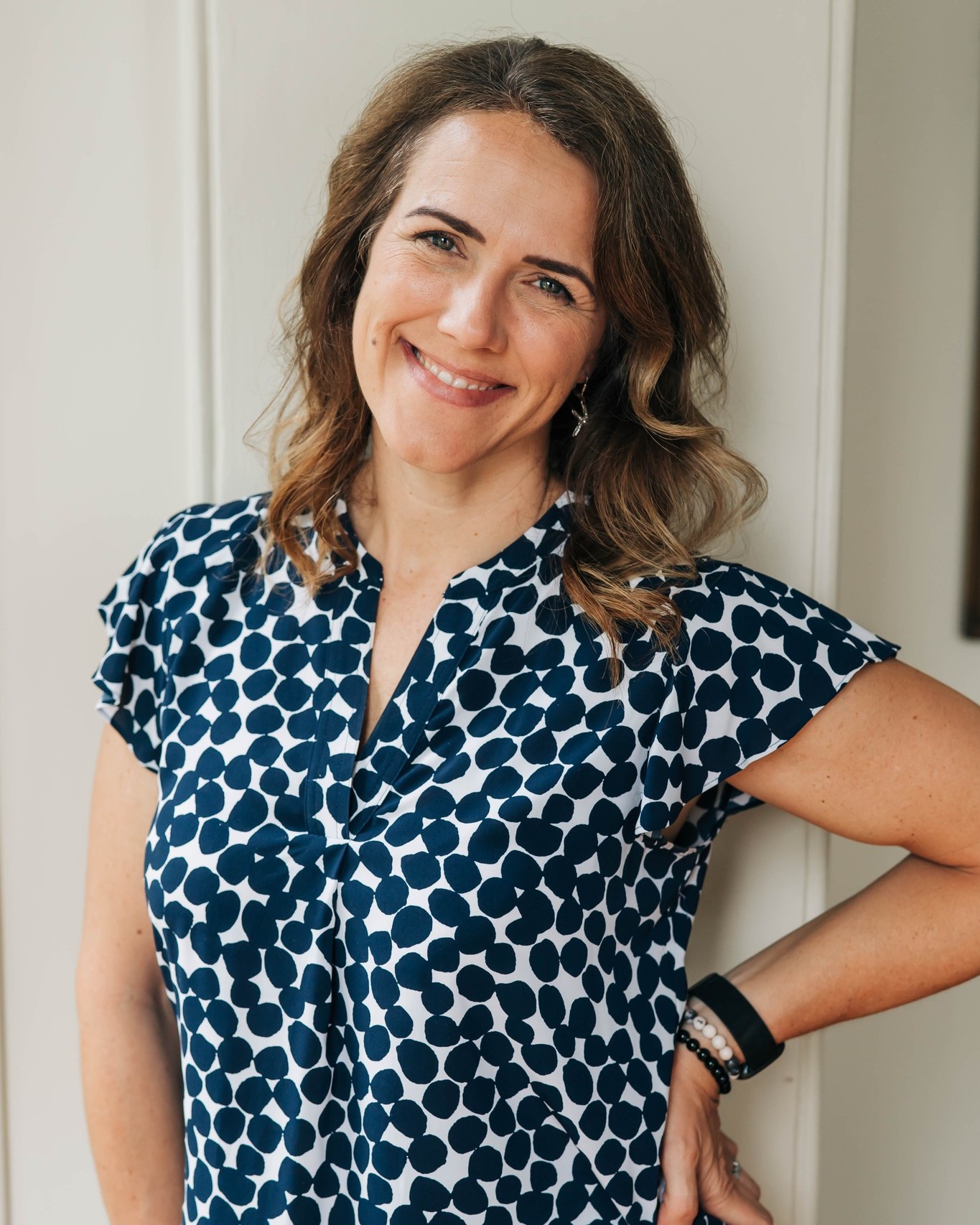
Allison Jackson : How Menopause Affects Fitness
CLICK FOR AUDIO OF PODCAST
In fact, welcome to Trulyfit the online fitness marketplace connecting pros and clients through unique fitness business software.
Meet Allison Jackson: From Bodybuilder to Holistic Wellness Coach
Steve Washuta: Interestingly, welcome to Trulyfit. Welcome to the Trulyfit podcast, where we interview experts in fitness and health to expand our wisdom and wealth. I’m your host, Steve Washuta, co-founder of Trulyfit and author of Fitness Business 101. On today’s episode I have Allison Jackson. You can find out everything about her at AllisonJacksonFitness.com. This is her second appearance on the Trulyfit podcast, and we’ll be talking about perimenopause and menopause. What are the definitions of these two terms? Are they different? How do we handle this as personal trainers and people in the health and fitness space with our clients? How do we broach that topic if our clients aren’t bringing it up? Should we put it on our health history forms? What are the signs and symptoms, and a host of other questions surrounding this?
Notably, it was a great conversation, so no further ado. Here’s Allison. Allison, thank you so much for joining the Trulyfit podcast for the second time. For those who haven’t heard you before, give a quick description of who you are. What do you do in the fitness and health industry on a day-to-day basis?
Allison Jackson: Yeah, sure, happy to. Thanks for having me back. I ran a brand for about 10 years called Allison Jackson Fitness, and it’s still alive and kicking. My own podcast, Fit to Lead, came out of that same work. I’ve gone through an evolution from competitive bodybuilder to yoga instructor to sound healer, and now I’m really focused on holistic wellness. I’m really looking at corporate burnout, both the mental and physical side of it. That’s something that kind of gets lost in translation when you’re competing in bodybuilding and focused purely on getting into shape. Super excited to be here and chat more.
Building Corporate Wellness Programs
Steve Washuta: As it turns out, do you do any corporate wellness work, where you’re working with large groups of people at once? As opposed to individuals who work in corporations?
Allison Jackson: To that point, a lot of what I’m doing now is Lunch and Learn events. I take big audiences and talk them through the key components of wellness, everything from sleep to hydration to mental and physical health.
Steve Washuta: Overall, i wonder if there’s going to come a time where a big company, a Johnson & Johnson say, has someone on staff doing all of that full-time. Not a physician, not just a personal trainer, but a health and wellness advisor. Someone who can talk to people one-on-one, go over their diet plans, and give them stretches. Someone who can work with them on massage therapy, basically a wellness clinic inside these bigger organizations.
Allison Jackson: For context, that makes total sense. A few companies were doing that well before the pandemic and were ahead of their time. I’d love to see more of them do it. There’s such a benefit there.
Steve Washuta: In fact, that said, i trained a lawyer once. He was retired by the time I worked with him. Earlier in his career, though, he was in practice with five other lawyers near Boston. They had exactly what I was describing: a personal trainer with a lot of different certifications. When more than one of them was traveling for a big case, they’d pay to bring the trainer along, so he could keep them in shape on the road. I thought that was really cool, one guy training five or six lawyers and flying around the country doing it. I was like, that’s the job I want.
Allison Jackson: Yeah, that’s a sweet gig right there.
What Are Perimenopause and Menopause, Really?
Steve Washuta: So today let’s focus the conversation on perimenopause and menopause. Let’s start with two simple definitions, the easy, high-level version for people who don’t know what they are. Then, if you want, give us the more scientific definition and throw some jargon at us.
Allison Jackson: Yeah, absolutely, happy to do that. I have to start by saying I thought perimenopause and menopause were like diabetes. I thought they were something only certain people got, not something everybody goes through. The health classes we all took in school cover puberty, but they don’t cover perimenopause and menopause. Essentially, as women age our hormones change. When we’re younger, our hormones are geared toward having babies, and at a certain age they start to shift. Perimenopause is the beginning of that shift, and it varies widely. Some people start at 35, some at 45, and some go right into menopause without much of a transition. In plain terms, it’s your hormones shifting and changing. Scientifically, menopause means you’ve stopped having your cycle for at least a year.
Meanwhile, perimenopause is the stop-start period leading up to that, with wide-ranging symptoms like hot flashes, muscle aches, sleeplessness, and anger.
In particular, it’s funny, something like joint pain can feel like its own medical issue, when really it’s just part of perimenopause.
Recognizing the Signs of Perimenopause and Menopause
Steve Washuta: Interestingly, ultimately, you named some of the signs and symptoms you can feel from the inside. But from the outside, how might someone else, like a husband or a trainer, notice? How would they know you’re going through perimenopause or already in menopause?
Allison Jackson: For trainers and for my husband, there are symptoms that are, I’ll use air quotes, typical. Think hot flashes, irritability, night sweats, hair falling out, dry skin, low libido. But what I’d really tell trainers, which a lot of them don’t do, is to have your clients get their blood work done. That way you understand where their hormones are at any given time. That goes for men or women, understanding estrogen, progesterone, and testosterone levels. When those start getting out of whack, that’s typically a sign something’s happening around perimenopause and menopause.
Why Every Woman’s Experience Is Different
Steve Washuta: In fact, are there major deviations in experience? Does Allison have a very different perimenopause and menopause experience than, say, Susie, who then has a different experience than Sally?
Allison Jackson: Interestingly, definitely. Look at your mother and grandmother and what they went through, because typically that’s what you’ll go through too. My mom had horrible symptoms. I think being a bodybuilder and skewing a bit healthier with exercise and diet, my symptoms haven’t been as bad. Some days are worse than others, but for me it’s been a combination of hot flashes and night sweats. What surprised me most as a trainer and bodybuilder, though, was joint pain while lifting. To counteract that, I’ve followed trainers in their 40s and 50s who focus on higher reps. Think three sets of higher reps with lower weights. It’s not about the weight itself, it’s that just holding it, your wrists and elbows ache. That’s honestly been the biggest hurdle for me with perimenopause.
Hormone Replacement Therapy and Anti-Aging Options for Women
Steve Washuta: Notably, how do anti-aging medicine clinics work with women? I know how they work with men, that’s a whole other rabbit hole. In my opinion men sometimes start too early. There’s also a psychological side that’s not talked about: guys go on it and change personality-wise. Maybe their wife or kids aren’t ready for that. But how does it work on the female side? Is it actually raising endogenous hormones, or are you getting exogenous hormones? Is it something in between? How does that work?
Allison Jackson: As it turns out, it varies. A lot of women are afraid of HRT, hormone replacement therapy. I’ve personally gone the route of a DUTCH test, which is a dried urine test. It looks at your hormone levels throughout your entire cycle. From there, I worked with a functional dietitian on supplements like licorice root and ashwagandha, and I use a topical progesterone. But I think you should look at all your options. Figure out what you’re comfortable with, and talk to different doctors. It doesn’t always have to be hormone replacement, but sometimes it works wonders for people.
How Trainers Can Start the Conversation With Clients
Steve Washuta: To that point, let’s put your personal trainer hat on. Say you’re working with someone you believe is in the throes of perimenopause moving into menopause. Walk us through the differences between broaching that with a male versus a female client, especially if they haven’t brought it up themselves.
Allison Jackson: Overall, age plays a huge role, but I’d ask if they have any uncommon or irregular symptoms. That means how they’re sleeping, their water intake, their skin, and the other typical signs of perimenopause and menopause. Ask your client directly whether they’re experiencing any irregular joint pain, irritability, or changes in libido, all of it. It’s important to know where your clients are, because that’s going to impact their workouts. They might not be able to go as heavy or as long as a younger client.
Steve Washuta: For context, i think putting it on the health history form your client fills out right away makes sense. It could ask if they’re currently experiencing these symptoms, or have had any in the past. It could also ask whether they’d feel comfortable relaying that back to you. That’s an important part of adjusting their training when they go through it. You mentioned elbow or joint pain earlier. Can you think of anything else from a training perspective you’d switch up once you know someone is going through this?
Adjusting Workouts for Perimenopause: Lower Intensity, Better Recovery
Allison Jackson: As women get older we’re still kind of stuck in that younger mindset. Push hard, high-intensity cardio, long workouts, and men fall into that too. Women’s cortisol levels burn out from working out that way as they age. So part of managing perimenopause and menopause is bringing cortisol down with lower-intensity workouts, long walks, hiking, and yoga. You don’t have to do Orange Theory or CrossFit and spike your heart rate to a crazy level. When people ask what I do, I tell them I try to hit 10,000 to 12,000 steps a day. I play pickleball twice a week, do yoga, and go hiking. I focus on hitting that step number rather than doing a full hour of cardio at the gym. The other big misconception is around pushing yourself really hard. We’re at a different stage of life now, especially when you’re not sleeping as well.
Notably, that said, recovery and low-impact workouts become really important.
Breaking the “No Pain, No Gain” Mindset
Steve Washuta: Meanwhile, this might be the hardest question yet, I don’t think we planned for this at all. Why do you think women end up as, like you said, cortisol junkies? I always assumed Orange Theory classes were filled with more women because they like being under direction. But now I know that’s not really the case. It’s a certain type of exercise they gravitate toward. Why is that, and how do we talk our clients out of it?
Allison Jackson: In particular, it’s the culture and mentality we’ve grown up with: no pain, no gain, burn calories, eat less. Work out more and harder, sweat, it has to be at least an hour. That’s so ingrained in people’s minds that it’s hard to break free from. I went through the same thing. I’d think if I wasn’t sweating, or the workout wasn’t an hour long, or wasn’t at a gym, it didn’t count. You need to let all of that go and really tune into your body, at any age. If something hurts, don’t push through it, sometimes you need rest. Recovery is as important as the lifting and the workouts themselves. That’s when the magic happens, when your muscle is actually being built, when you’re resting and feeding it.
Steve Washuta: As it turns out, ultimately, it needs to be more of an art than a science, more right brain than left brain. I try to convey that to my clients: don’t always have a rigid plan. Go into the gym, warm up, see how your body feels, and build the plan from there. Some days you’ll go light, some days heavy. You can’t just write something out and follow it to the letter, this isn’t a budget. Your body has too many variables.
Allison Jackson: In fact, yes, I love that.
The Emotional and Mental Side of Menopause
Steve Washuta: Interestingly, let’s talk about the emotional side. Whether it’s mechanistically the hormones we just discussed, or otherwise psychological, there’s a lot of change happening at once. That can mess with you mentally. What mental symptoms should I, as a personal trainer, watch for in my clients? How can we be more empathetic toward people going through this?
Allison Jackson: Notably, you’re definitely going to have to be part therapist. When women hit a certain age, they still think they’re in their 20s or 30s. Body-image-wise, it’s hard to come to terms with the fact that your body isn’t what it used to be. A lot of women talk about the “middle-age pouch” or “menopause pouch.” It helps to understand that your 40- or 50-year-old self isn’t your 20- or 30-year-old self, and that’s okay, that’s part of aging. But we also need to be training for who we’ll be in our 70s and 80s. We want to be able to lift our grandkids and stay mobile and injury-free. It’s less about how you look in a bikini on the beach. It’s more about longevity and feeling good versus looking good.
Training for Longevity, Not Just Vanity
Steve Washuta: As it turns out, we need to ingrain that in our clients well before they reach that stage. By the time they get there, they’re often already dealing with injuries and immobility. Or they’re stuck in the old habit of thinking they need to burn as many calories as possible. It’s okay to train for vanity when you’re younger, but as you get older that has to change. Honestly, that shift probably needs to happen even earlier, in your 30s. You have to understand that 20 years from now you’re going to want to get up off the floor and play with your grandkids. Doing the heaviest deadlift you can three times a week isn’t the best path to that. Training to get on stage is a short-term goal for a short period of time.
But there’s still this high-school-football mentality, for both guys and girls, that lingers into later life and needs to change. Don’t chase the numbers or the heaviest weight for the lowest reps; this is a long-term game.
Letting Go of the Scale
Allison Jackson: As far as bringing up numbers, I still struggle with this myself, trying to get away from the scale. We get a number stuck in our head, like “I need to be this number.” Instead, it should be about whether you like the way you look in the mirror, whether you like the way your clothes fit. I know I struggle with that, and I know other trainers struggle with it with their clients all the time. If someone’s trying to lose weight, that’s one thing. But if you’re just maintaining and working out for your health, we need to let go of the scale.
Steve Washuta: To that point, easier said than done. I think one reason it might actually be easier for someone as knowledgeable as you is that you can look at other metrics. Things like measuring your hips, arms, and waist, heart rate variability, and body fat percentage. But for the average person without that knowledge, the scale is the only number they have. That’s why I try to educate my clients that there are a lot of other metrics to look at. For clients who want to weigh in weekly, I tell them no, biweekly at the most. If you’re tracking eight or nine numbers, there will always be a few that are good, so you can focus on those. But if you only have that one number, you’re flipping a coin. There’s a 50% chance your client ends up very upset.
Allison Jackson: Overall, yes, I would agree with that.
Common Menopause Myths and Diet Misinformation
Steve Washuta: For context, i hate the term misinformation, because what’s considered misinformation one day could be correct information the next. What’s one thing, or a few things, passed around about this subject that you think is misguided?
Allison Jackson: For a long time I was skeptical of intermittent fasting, or keto, I figured it was just another fad. My feeling is that different things work for different people. Now I actually use intermittent fasting, and it works well for me at this point in my life. But diets that eliminate entire food groups are a dealbreaker for me. If you can’t put your toddler on it, you probably shouldn’t be on it. Everything should be balanced: whole foods, minimizing processed foods. What I’d flag as misinformation is that everyone wants a quick fix right now, we’re the Ozempic generation. If it sounds too good to be true, it usually is. I’m not knocking anyone who’s on it, though. A lot of my friends are, and if it works for them, that’s fine, it’s just not what I choose to do.
To that point, that said, do your homework, and know that everybody reacts differently.
Meanwhile, try it, and if it works for you, great. If it doesn’t, it’s just not for you.
Carnivore, Keto, and the “Cure-All” Diet Trap
Steve Washuta: In particular, on social media we all have our own algorithm. I don’t see what you see, or what you know Sally and Sandy see. We all see different things. I imagine there are, though, particular diets people push for this. Something like, “if you want to get past menopause symptoms, you should only eat carnivore, or only keto.” Is that what people are saying?
Allison Jackson: Overall, ultimately, yes, I see a lot of carnivore, whole30, keto, pick a diet and it’s positioned as the cure-all for menopause. What actually helped me was something I wasn’t eating much of while competing: whole grains. And I don’t mean brown rice. I mean things like bulgur and millet that you really have to go out of your way to find. It made a huge difference in my gut health, which matters not just for perimenopause and menopause but for overall health. So that’s what I’d say: whatever diet is being sold as the cure-all, be skeptical.
When Do Menopause Symptoms Finally Level Out?
Steve Washuta: In fact, forgive my naivety here, is there a point when the symptoms are supposed to dissipate? Meaning, you’re going through this hormonal change, let’s say roughly from 48 to 51. Then everything levels out and you should feel better. If not, maybe there’s a bigger issue and it’s time to see a specialist.
Allison Jackson: Interestingly, i’ll use typical numbers, since I’m not a doctor and everybody’s different. Perimenopause is typically somewhere from 40 to 55, though it could start at 35 or run to 50. It can last anywhere from two to seven years. Some people barely go through it at all. During perimenopause everything is shifting, your hormones and your cycle are getting irregular. Then you hit menopause once you haven’t had a cycle in a full year. At that point your hormones should level out. If they’re not leveling out, and that could be at 55, 65, or 70, that’s when you should look for help, regardless. If your symptoms are severe, seek a doctor’s help either way. But once you’ve hit menopause, after a certain time things should level out and the symptoms should ease.
Allison Jackson’s Own Perimenopause Wake-Up Call
Steve Washuta: Notably, what was the first change you made, not physiologically, but in your programming, once you realized what was happening? Was there one particular thing you knew you had to stop doing, or add? Given that you’re a personal trainer, you understand the intricacies.
Allison Jackson: As it turns out, it goes back to the cortisol conversation. I immediately stopped doing Orange Theory and all those intense workouts once I realized my cortisol levels were out of control. My body was burnt out. That’s when I backed off and found other ways to keep movement in, but I stopped the high-intensity workouts.
Tracking Recovery With Wearables and Glucose Monitors
Steve Washuta: To that point, do you personally use a watch or Aura Ring to track heart rate variability or anything like that? I ask because I wonder how those metrics interact with the hormonal changes during perimenopause and menopause.
Allison Jackson: Overall, i’m a huge Fitbit fan, I’m on my fifth one. I subscribe to the full health diagnostic, so I look at things like recovery, sleep patterns, and HRV. If you’ve had alcohol, or you’re about to get your period or get sick, your HRV will drop significantly. Tracking that and adjusting your workouts accordingly matters a lot to me. I’m a data junkie, so I love that kind of feedback. I even did glucose monitoring for a month or two just because I was curious. My dad is diabetic, and I got him to try it instead of the finger-prick test, it’s amazing. If you want to see the real impact of food on your blood sugar, mood, and how you feel, I’d highly recommend it. Have you tried it?
Steve Washuta: For context, i haven’t, but it’s good to know your body, and it’s just one more number to track. At some point I’ll probably do it. Right now I have a nine-week-old, so my life has been sort of lack of sleep, surrounded by that. This isn’t really the right time to take all the appropriate metrics. I’m eating whatever is around the house at any given time when I’m awake. But I will eventually. How did you find the experience? Was it costly? Did somebody approve it through insurance? How does that work?
The Cost and Experience of Continuous Glucose Monitoring
Allison Jackson: For context, that said, i actually talked to someone on my podcast who worked at that kind of company. They offered me a two-month test. I knew I wasn’t going to do it long-term, I just wanted the experience and to see the feedback. It wasn’t that expensive, all told maybe $120 for two months. I tried to do it in a way that I didn’t change my diet significantly. I wanted to see how my normal eating impacted my blood sugar. It was fascinating, especially seeing the impact of things like exercise and drinking, a nice learning experience. I think you’d probably feel the same way.
What Glucose Data Reveals About Exercise and Food Order
Steve Washuta: Meanwhile, that was actually the first thing I was going to ask. Was there a major difference pre- and post-exercise, as opposed to not exercising at all? I think a lot of people using these monitors only look at the food coming in. They don’t look at the bigger picture of everything else that affects blood sugar.
Allison Jackson: In particular, it actually spikes, your blood sugar spikes after you work out, which I found fascinating, I didn’t realize that. I was also following the Glucose Goddess, who has tips like eating your veggies and protein before your carbs. That order blunts your blood sugar spike. So I tested that too, and it really does work.
Steve Washuta: That said, ultimately, i’d imagine most of this tracks across the population, but there have to be things that work for Allison that don’t work for me. That’s why you run these tests yourself. Maybe I try the same Glucose Goddess trick and it just doesn’t work for me. Could be gut bacteria, an enzyme issue, or something else entirely. It’s interesting, and I think I’m going to add it to my list. It also makes for a good podcast: you do it, gather the information, and report back afterward.
Allison Jackson: Yeah, for sure.
Supplements Allison Actually Takes
Steve Washuta: In fact, you mentioned some supplements earlier, and I imagine there’s also some snake oil in this industry. Is there anything people say works that you think doesn’t? On the flip side, is there a regular vitamin or supplement, not a specific recommendation, just something you take yourself? Something you’d tell clients going through this is probably beneficial?
Allison Jackson: Interestingly, i take a liquid form of licorice root. Funny enough, I had to stop all my supplements before a colonoscopy. When you stop and realize how much worse your symptoms feel, you realize how helpful they were. Licorice root is one; I also take a perimenopause combo with things like chaste tree, ashwagandha, and elderberry, all-natural supplements. I’m a huge proponent of creatine and collagen too, perimenopause or not. I do a shake every day, plus a multivitamin, fish oil, and a gut probiotic. That’s just what’s worked for me.
Allison Jackson’s Work Today: Corporate Wellness and Consulting
Steve Washuta: Notably, let’s rewind and talk about what you’re currently doing in health and fitness. Are you exclusively working with people in the corporate burnout space now? Do you still work with women going through menopause? Are you open to working with everybody? Virtual, in person, give me the whole picture.
Allison Jackson: As it turns out, i selectively work with perimenopause and menopause clients in a consultative way. I don’t do online fitness and nutrition coaching anymore. I’m focused on corporate work, bringing the message to companies around preventing burnout and getting people on board with wellness, mostly virtual. But I love doing speaking engagements, so I’m trying to spread the word at conferences and events. That means reaching both companies and busy working women directly. A lot of women in corporate at the executive level are hitting this point in their lives right now. Their nutrition and workouts really need to be in lockstep with where they are.
Breaking Into Speaking Engagements and Conferences
Steve Washuta: To that point, i have another question off that. Trainers have reached out asking me how to start speaking at conferences or land corporate gigs. I’ve never done it myself, so I don’t have answers for them. Did you just cold-call and cold-reach-out to people? Did you hire a PR or publicist team? What’s the actual process?
Allison Jackson: Overall, it’s a combination. My background is in corporate communication, so I have a strong network of people at companies. But I also just apply, there’s always an open call for speakers. Search Google for your topic in quotes, something like “personal training conferences,” and see what comes up. There’s typically a call for speakers, some paid, some not, and it’s a great way to get exposure. I’d also suggest talking at your local library or chamber of commerce, that’s how I got my start. In 2020 I did 20 talks, all free, anywhere and everywhere I could get them. Reach out to local companies, since HR people are always looking for lunch-and-learn speakers. It’s a great way to get your foot in the door.
If you give a free talk, you can follow up with, “I have a six-week group coaching package I could offer your company if you want me to come in weekly.” There’s a lot of opportunity out there, and you just have to dig for it.
The Numbers Game: What It Really Takes to Land Speaking Gigs
Steve Washuta: When people ask that question, they don’t actually want that answer, even though it’s the right one. They want the easy version: go to some website, type in your name, and get a hundred calls offering to pay you a lot of money. It doesn’t work that way. First you have to get good at speaking, which means doing it for free and often. Then you have to pitch yourself, going to a conference, whatever it is. You tell them, “I’ve done 20 speaking engagements, here’s what I typically speak about, here’s a review from a past audience.” It’s like anything else.
Allison Jackson: For context, you’re applying for a job, in a sense, you have to put in the reps. It’s a numbers game: you could apply for 100 speaking gigs and be lucky to get one or two. Nobody wants to hear that, but I’m going to be honest.
Steve Washuta: Meanwhile, that said, that might be the overall theme of this whole conversation. People don’t want to hear the hard answers, they want the easy way out, and there isn’t one. You have to do the work. Allison, why don’t you let my listeners know exactly where they can find you, your website, or the easiest email?
Where to Find Allison Jackson
Allison Jackson: Yeah, www.AllisonJacksonFitness.com, or hello@AllisonJacksonFitness.com. You can also find me on LinkedIn, just search Allison Jackson Fitness. That’s usually where I hang out.
Steve Washuta: We’ll put the links in the podcast description. My guest today has been Allison Jackson. Thank you for joining the Trulyfit podcast.
Steven Washuta Meanwhile, thanks for joining us on the Trulyfit podcast. Please subscribe, rate, and review on your listening platform. Feel free to email us, we’d love to hear from you at social@trulyfit.app. Thanks again.
CLICK FOR AUDIO OF PODCAST
If you want to dig deeper into how medications and hormones intersect with menopause, check out this blog: Pharmacist Discusses Ozempic & Menopause: Amy Wilson.